
Guides to Writing Your Chinese Name
A generated name is only half the story — these illustrated guides show you how to actually write the characters: in the right stroke order, with an eye for what each radical means, and with the basic brush strokes behind elegant calligraphy. Every screenshot is a frame from a real lesson, credited to its creator, and every step links to the exact second it happens.
Browse the guides
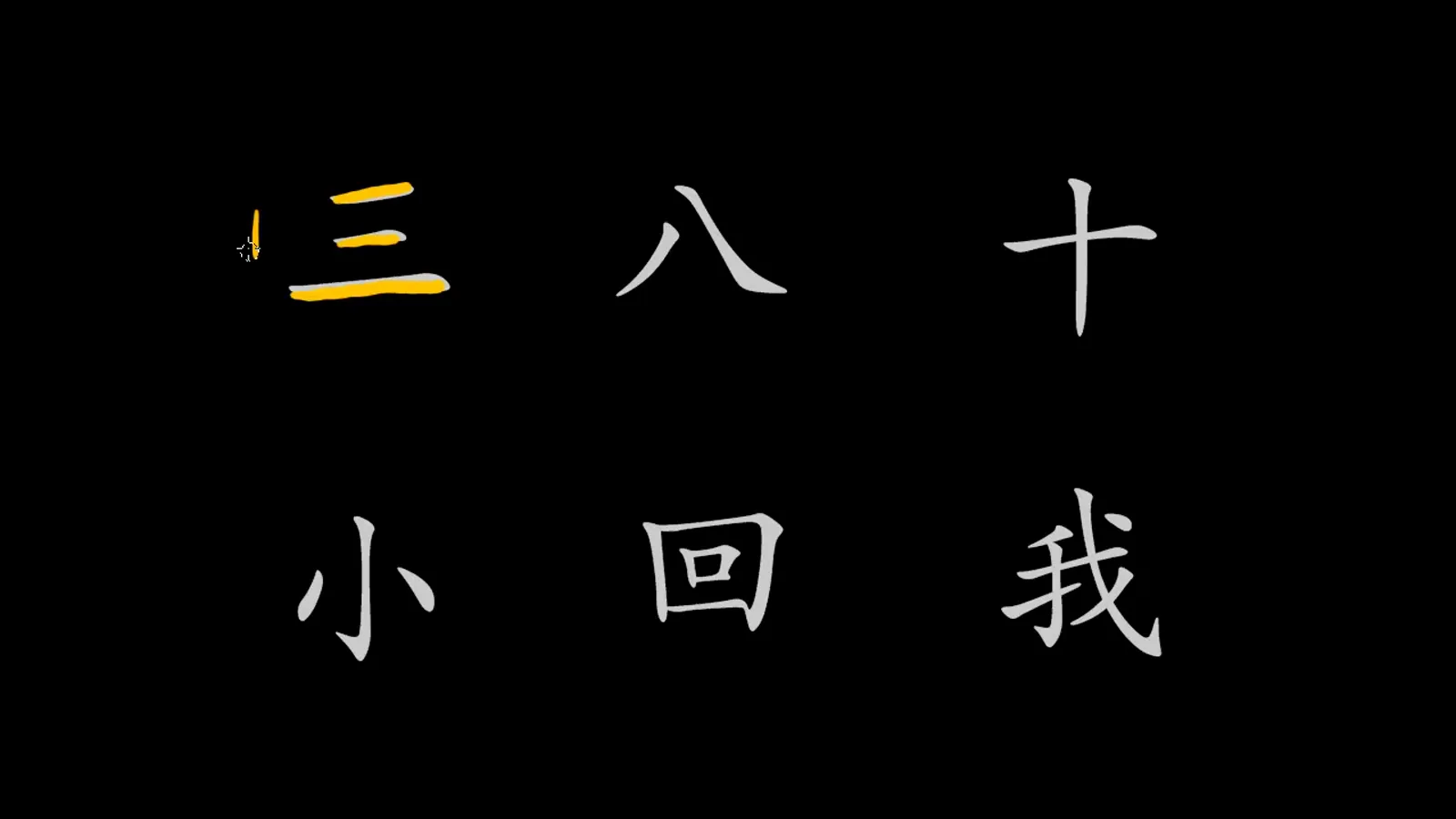
Chinese Character Stroke Order Rules
The eight core rules that decide whether a character looks balanced — worked through on 三, 八, 十, 小, 回 and 我.
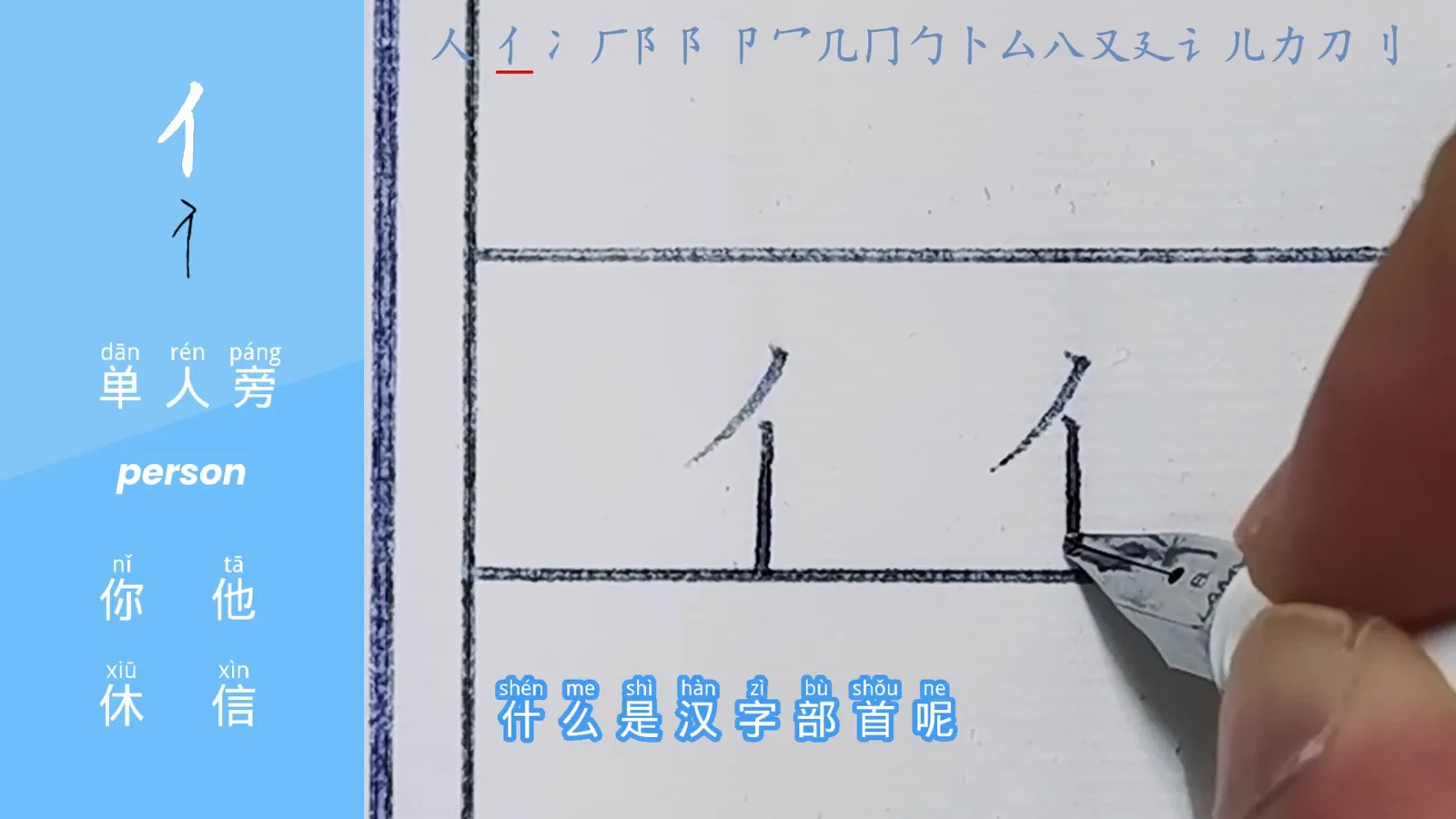
Chinese Character Radicals and What They Mean
The building-block radicals that show up inside real names, what each one carries, and how they hint at a name's feeling.
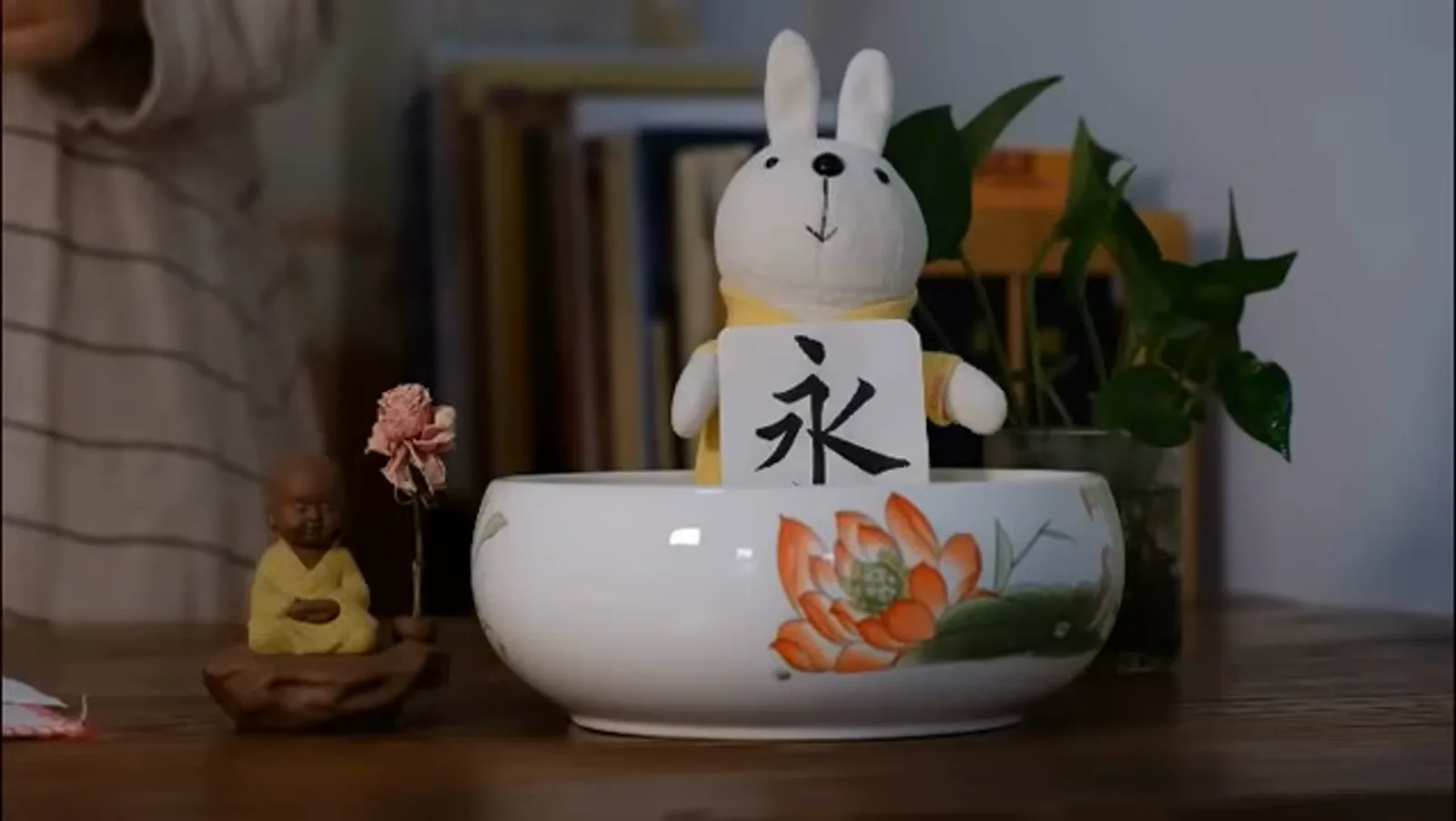
The Eight Basic Strokes of Chinese Calligraphy
The Eight Principles of Yong — the brush strokes behind a beautiful written name, one stroke at a time.

Mandarin's Four Tones: Pinyin Pronunciation Guide
Tone-mark rules, the five-level pitch scale, and each tone's contour — so you can say your name's pinyin correctly.
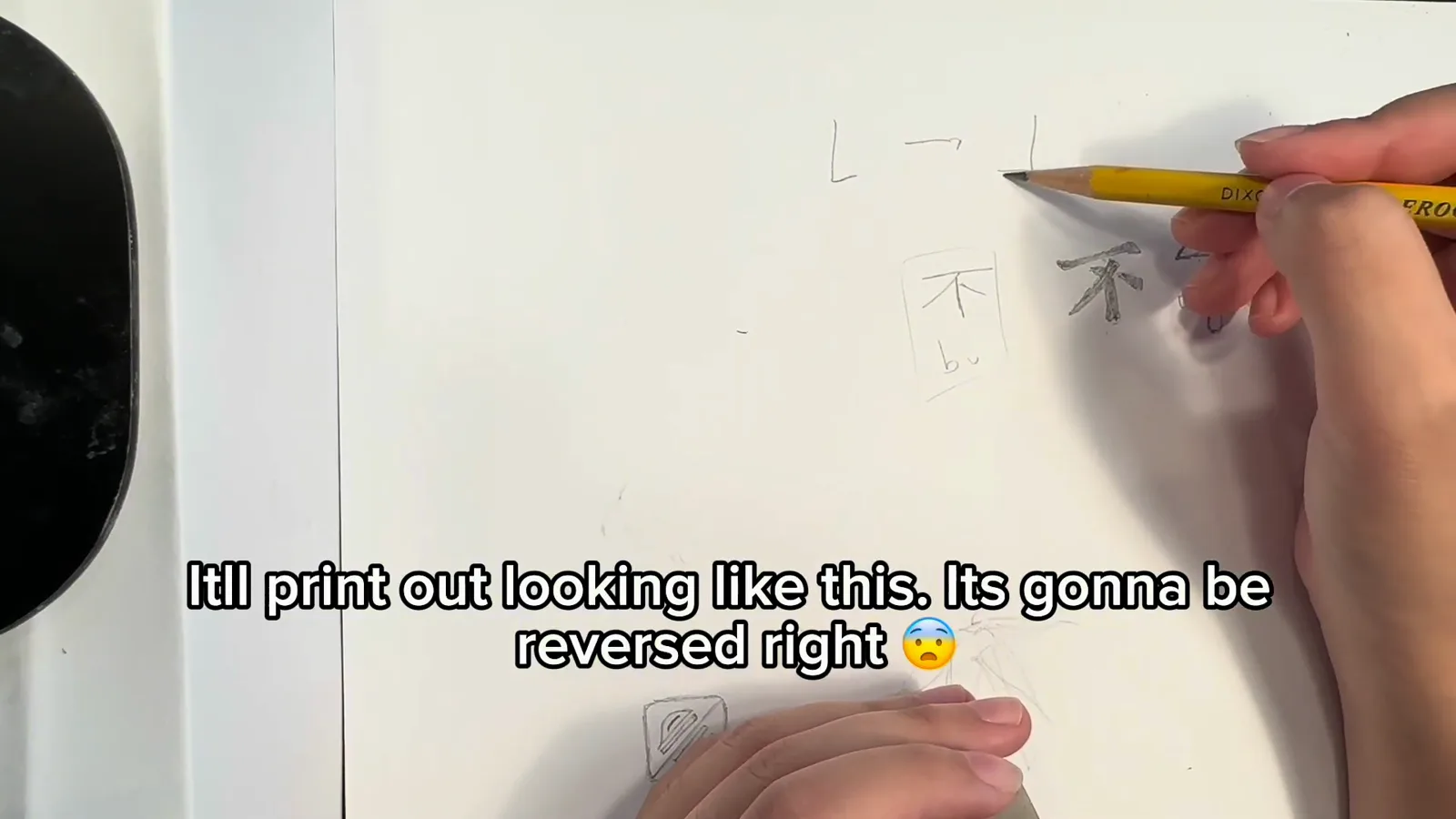
Chinese Seal Carving: Stone Name Stamp Tutorial
Mirror-reversed design, yin vs yang carving, V-cut technique, and a finished test stamp on Qingtian stone.
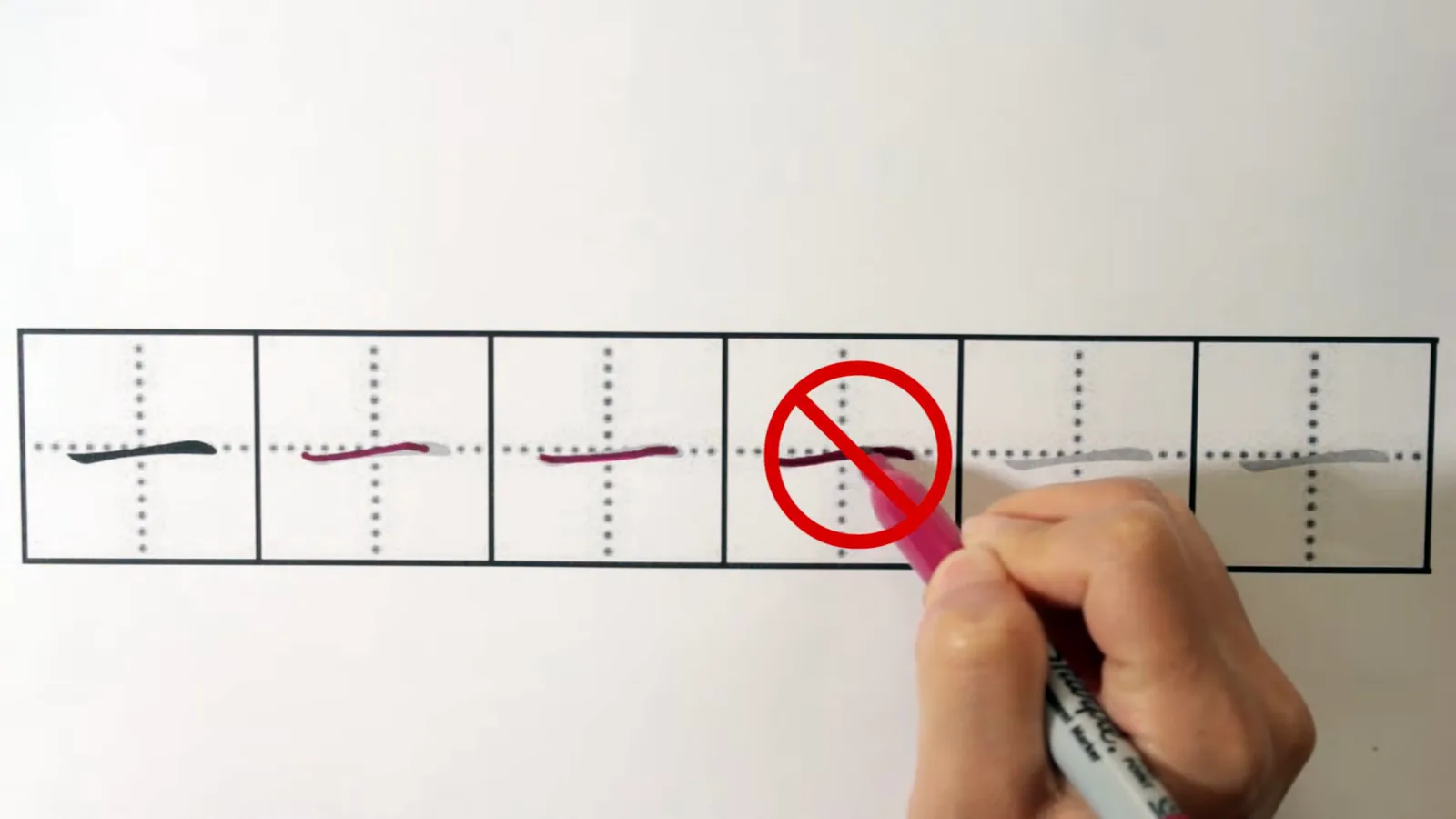
Chinese Handwriting Basic Strokes for Beginners
Horizontal héng, vertical shù, and dot diǎn — then spot them in 十, 日, 三, 土 and write 上 and 下.
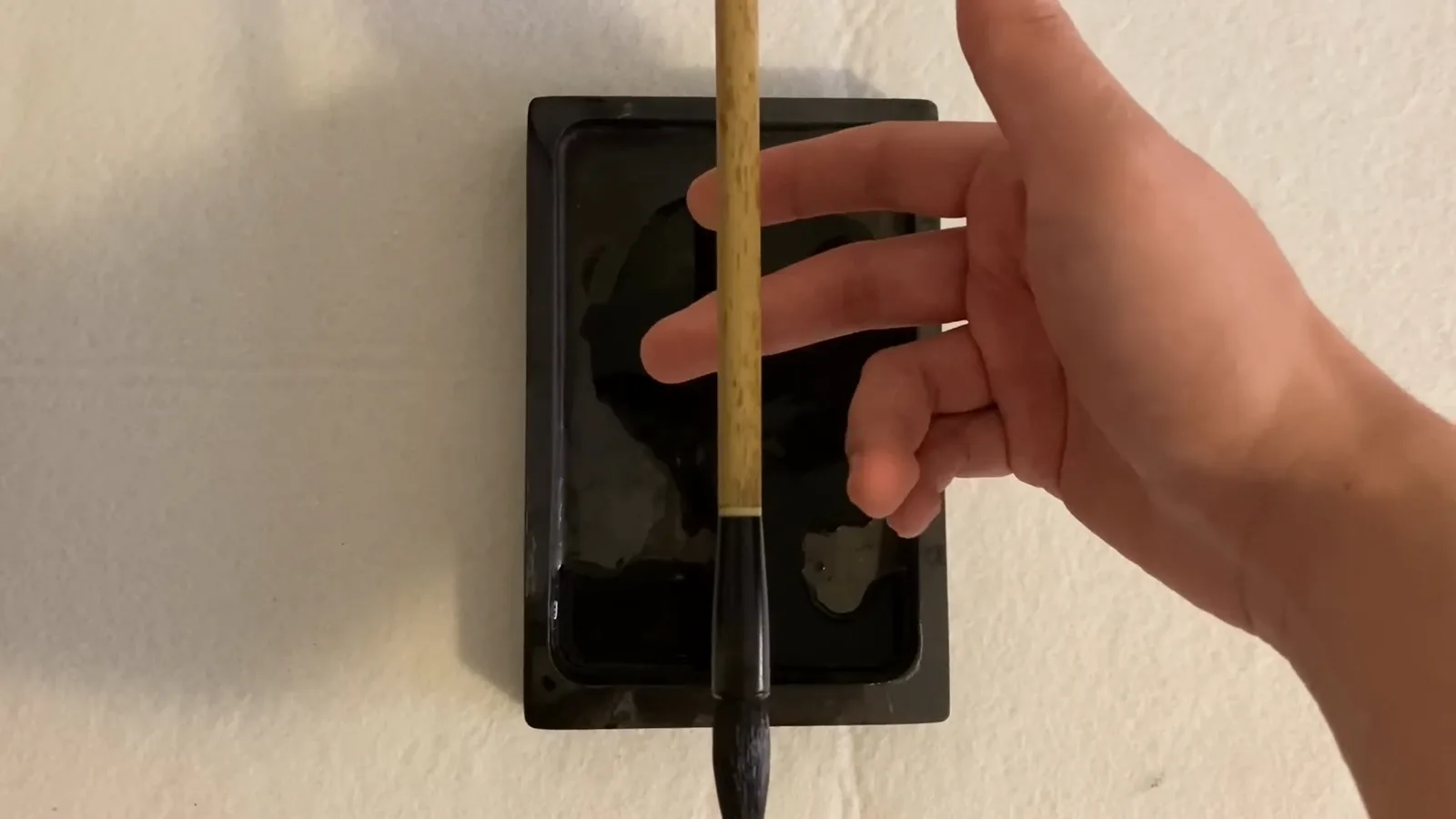
How to Hold a Chinese Calligraphy Brush
The finger-by-finger grip, ink loading, and the horizontal and vertical strokes behind a name written in ink.
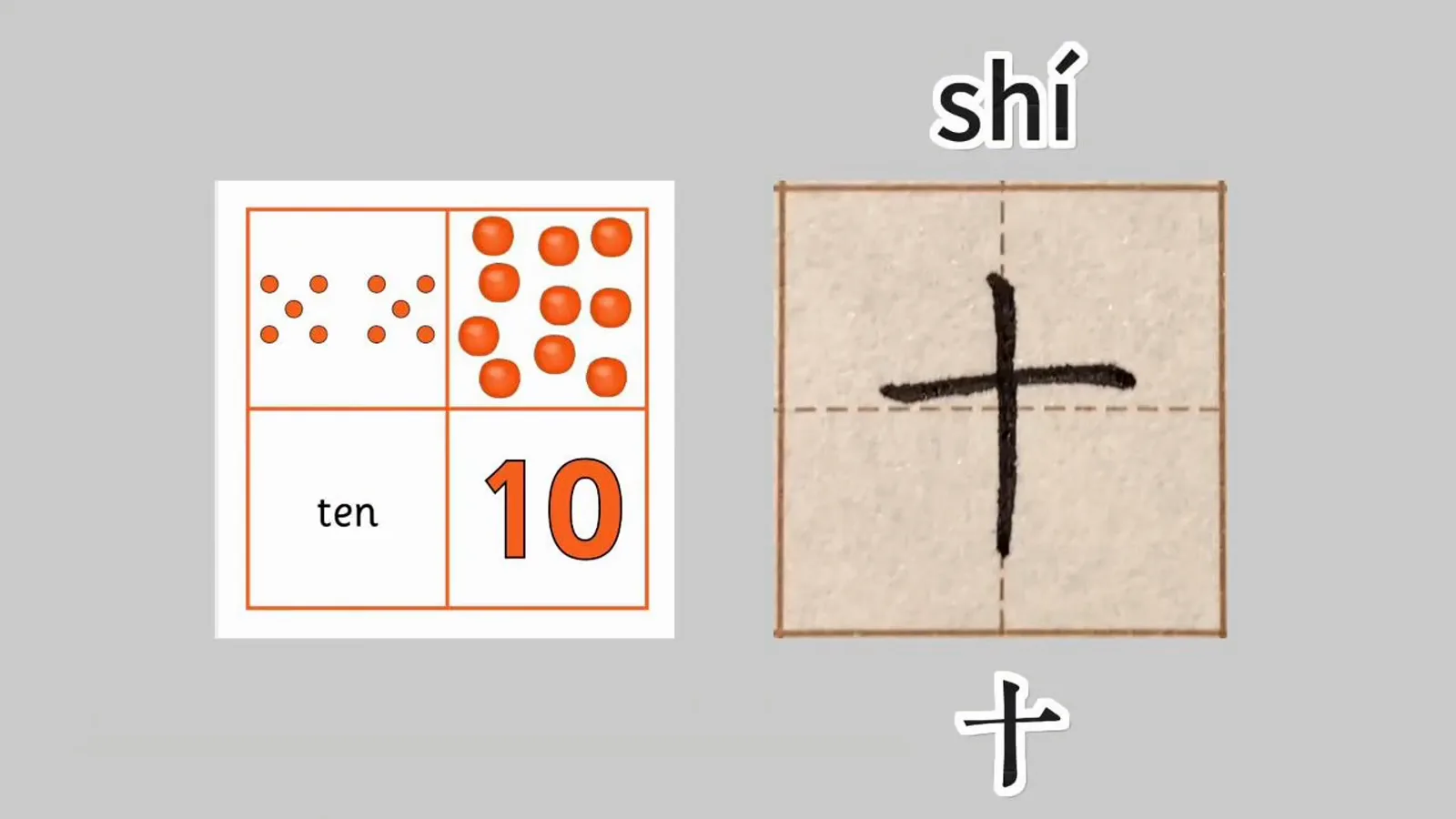
Chinese Numbers 1-10: Stroke Order
Write 一 to 十 correctly — every stroke named and counted, from the héng to the hanging-needle vertical.

Pinyin Initials and Finals Explained
The 21 initials, 36 finals in three groups, and the syllable formula that makes any Chinese name readable aloud.
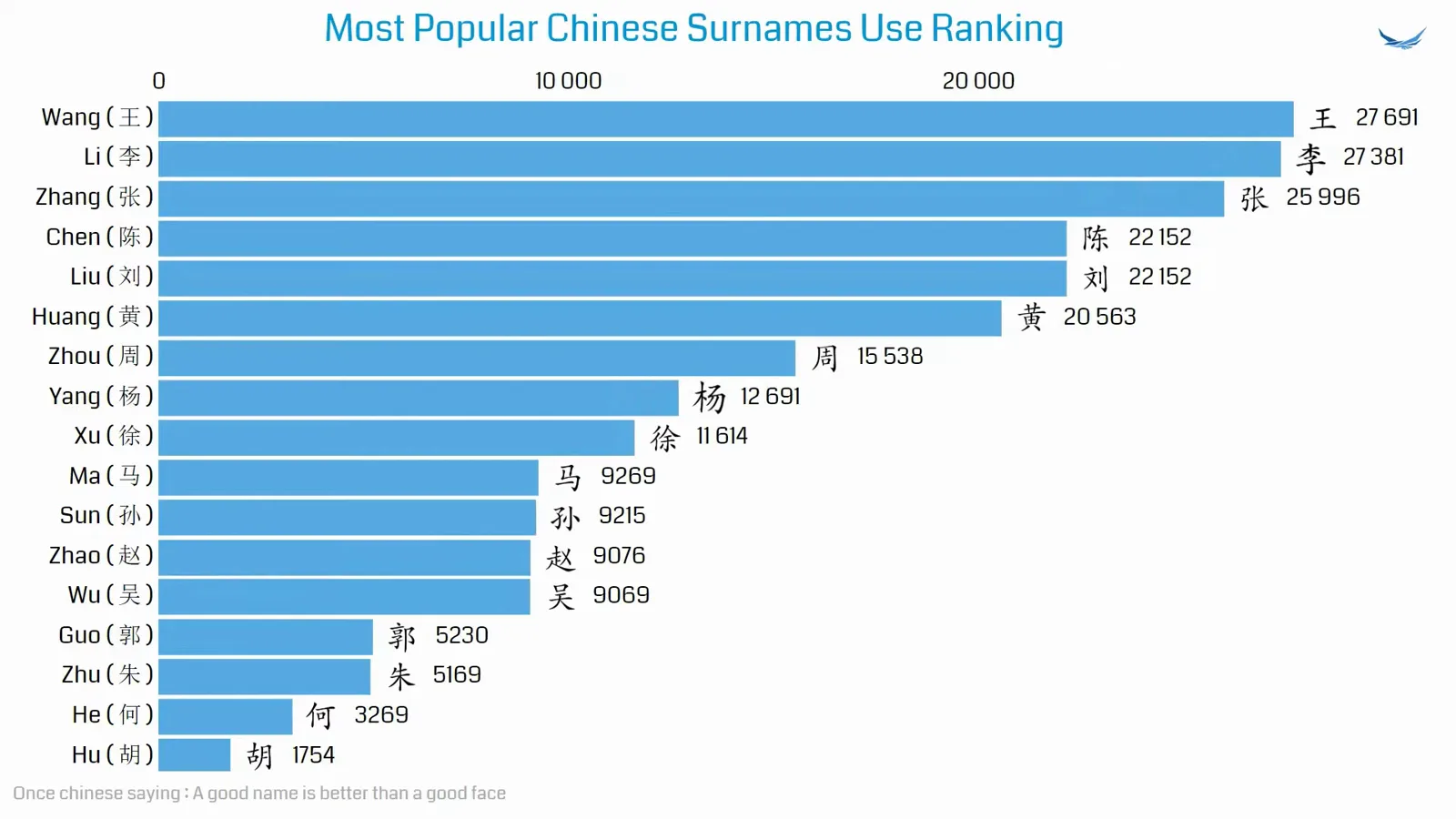
Chinese Surnames Explained
Why the surname comes first, the stories behind Wang, Li, Zhang and Liu, and why Zhang is also spelled Chang or Cheung.
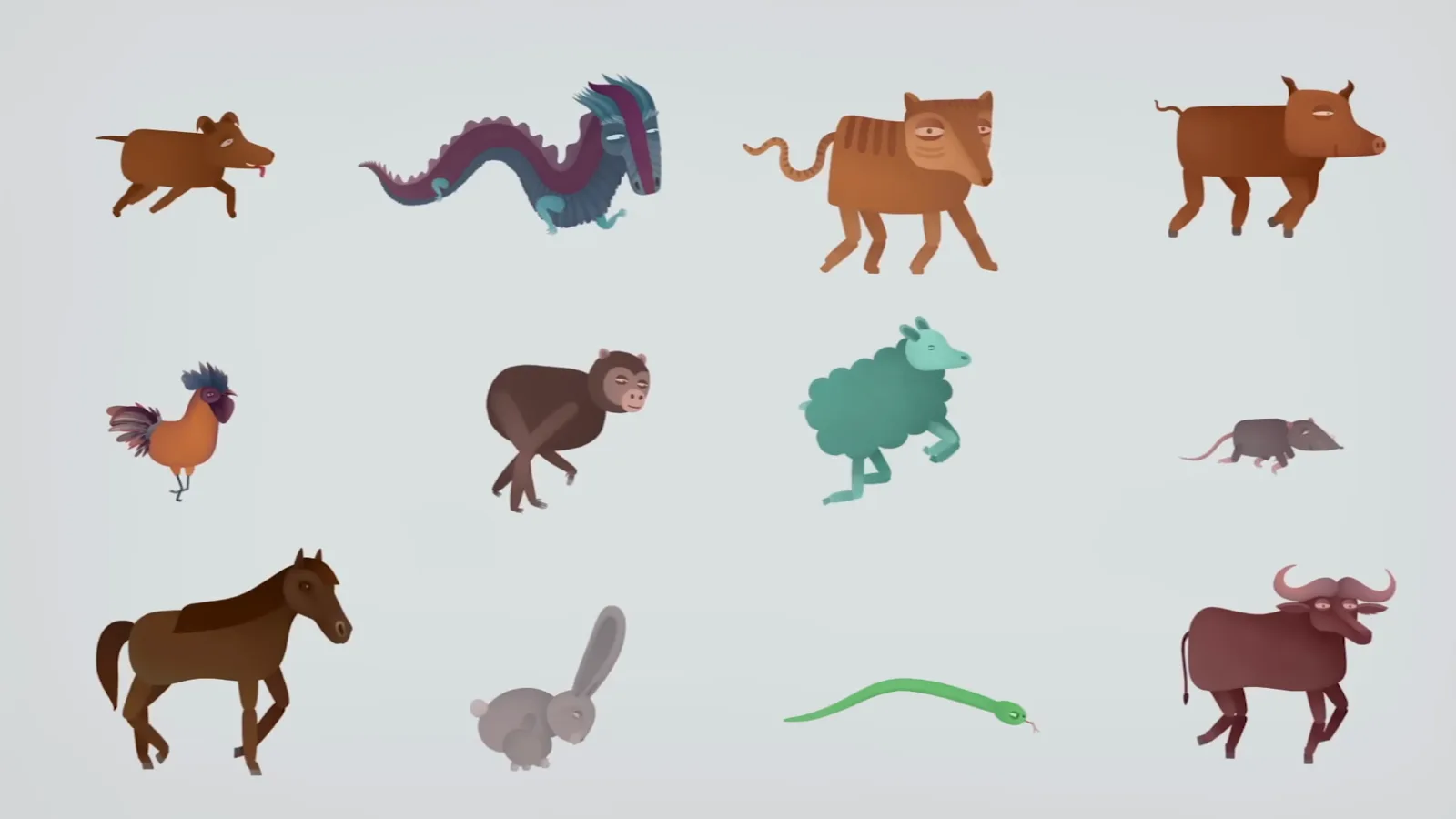
The Great Race: Why the Rat Leads the Zodiac
The river race that fixed the order of the 12 animals — plus how the 60-year cycle and your month, day and hour animals work.
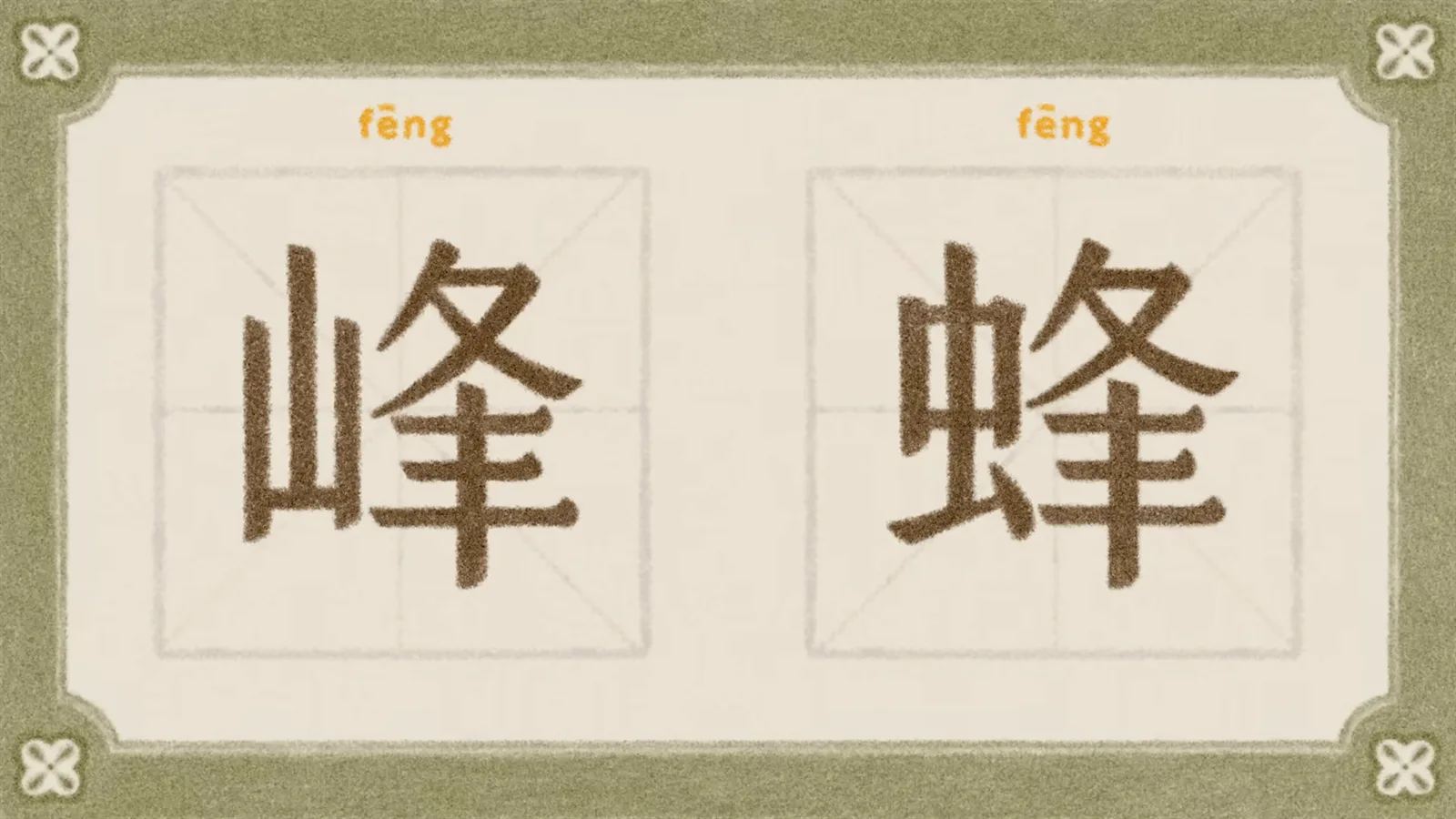
How Chinese Characters Work: The Four Building Blocks
From oracle bones to phono-semantic compounds — pictograms, ideograms, compound ideograms and the radical-plus-sound system behind every name.
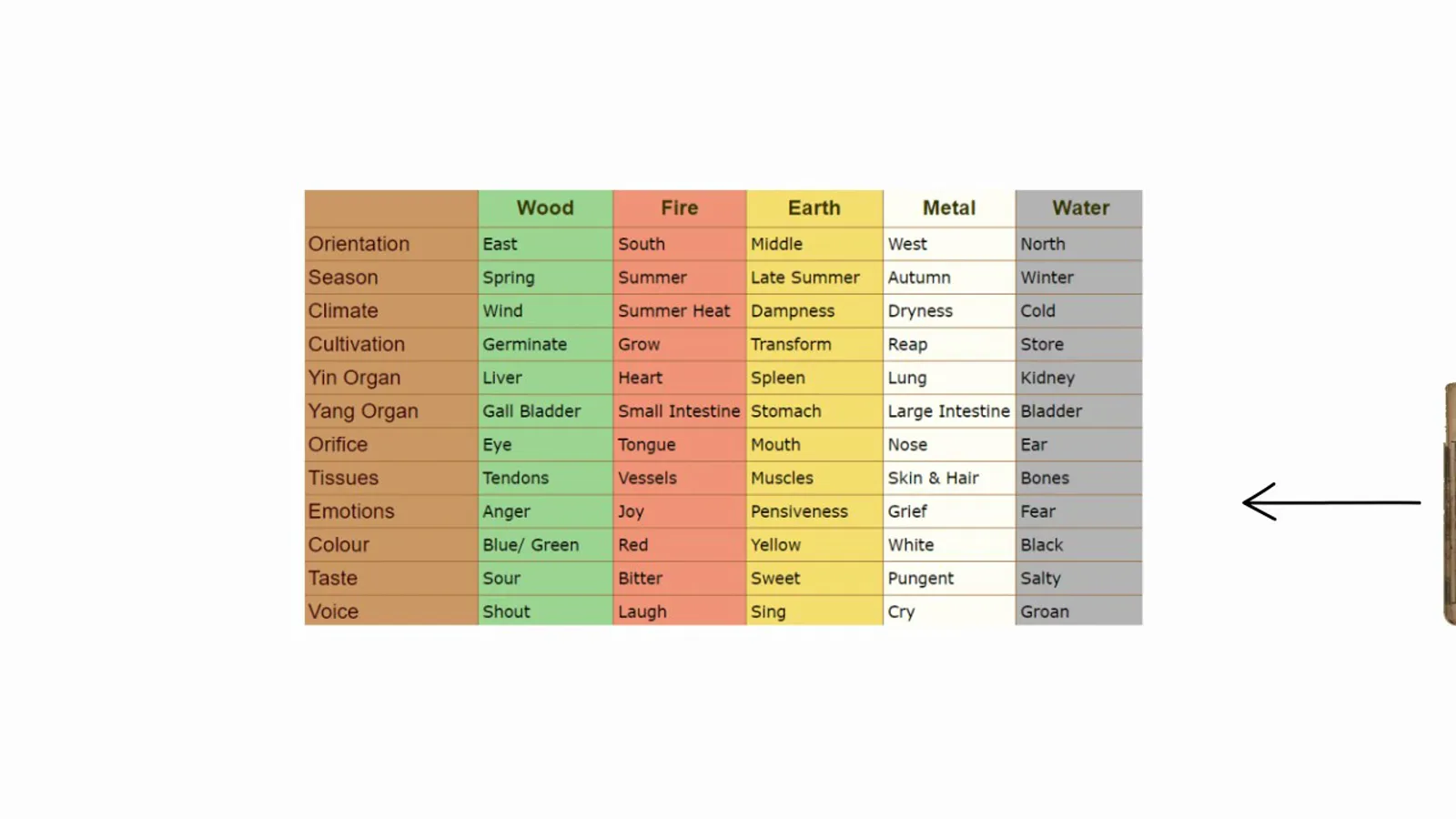
Wu Xing Explained: The Five Elements of Chinese Naming
Wood, fire, earth, metal and water as processes, not substances — the generating and controlling cycles behind your name's element balance.