
Mandarin's Four Tones: How to Pronounce the Pinyin in Your Chinese Name
Every syllable in a Chinese name rides on one of four tones — get the pitch wrong and listeners may hear a completely different word. This guide walks through tone-mark placement, the five-level pitch scale, and each tone's contour with side-by-side illustrations from a beginner pronunciation lesson, so you can say your name's pinyin with confidence.
Key takeaways
- Tone marks sit on the main vowel of each syllable following the a-o-e-i-u-ü priority rule.
- The five-line pitch graph maps voice height from 1 (lowest) to 5 (highest).
- First tone (55) stays high and flat; second tone (35) rises from mid to high.
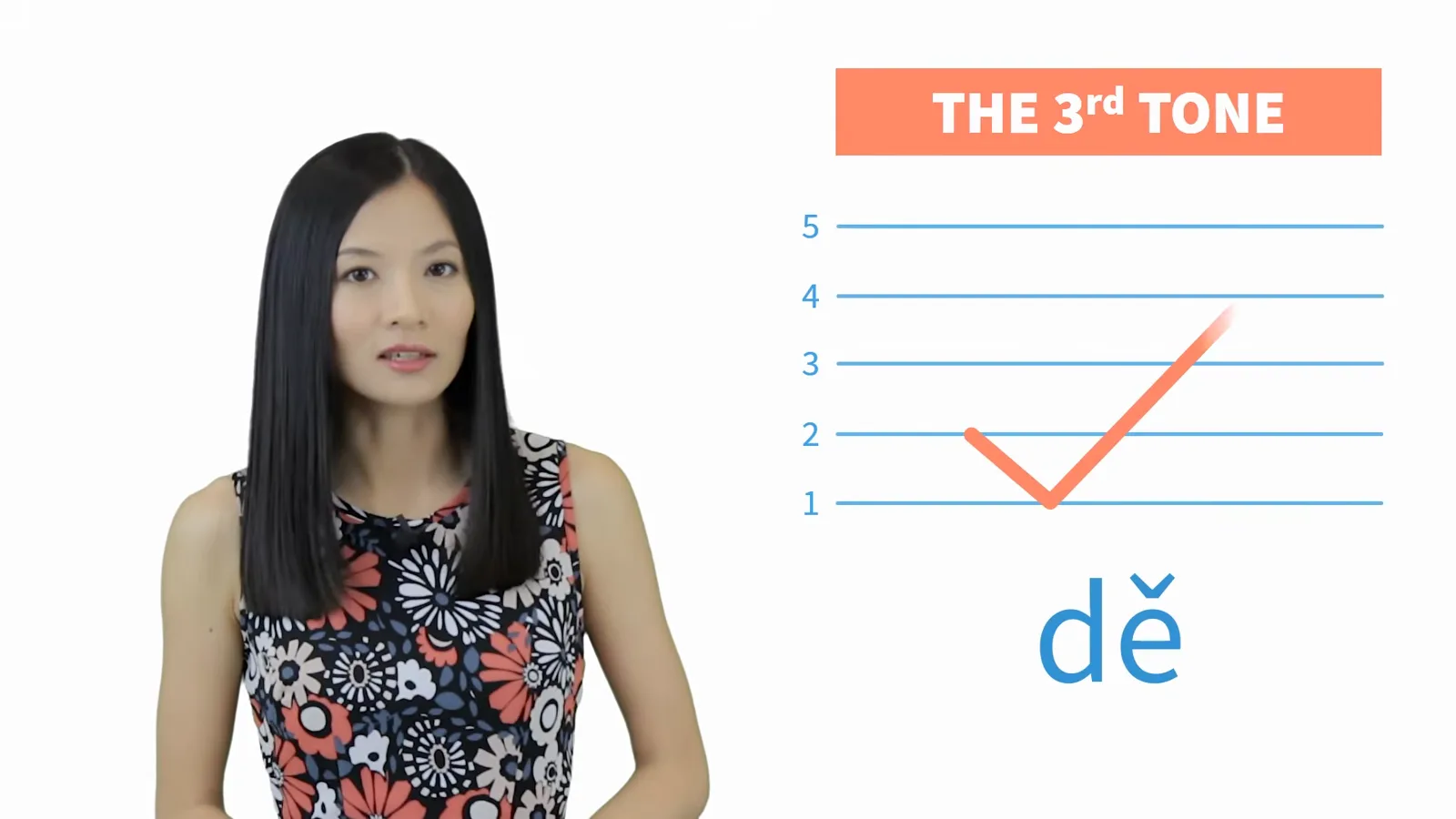
- Third tone (214) dips low then rises; fourth tone (51) falls sharply from high to low.
- The third tone is usually the longest; the fourth tone is the shortest.
- Practice each tone alone before combining them in your name's syllables.
The four tones, step by step
- 1
Where tone marks go — and the special e rule
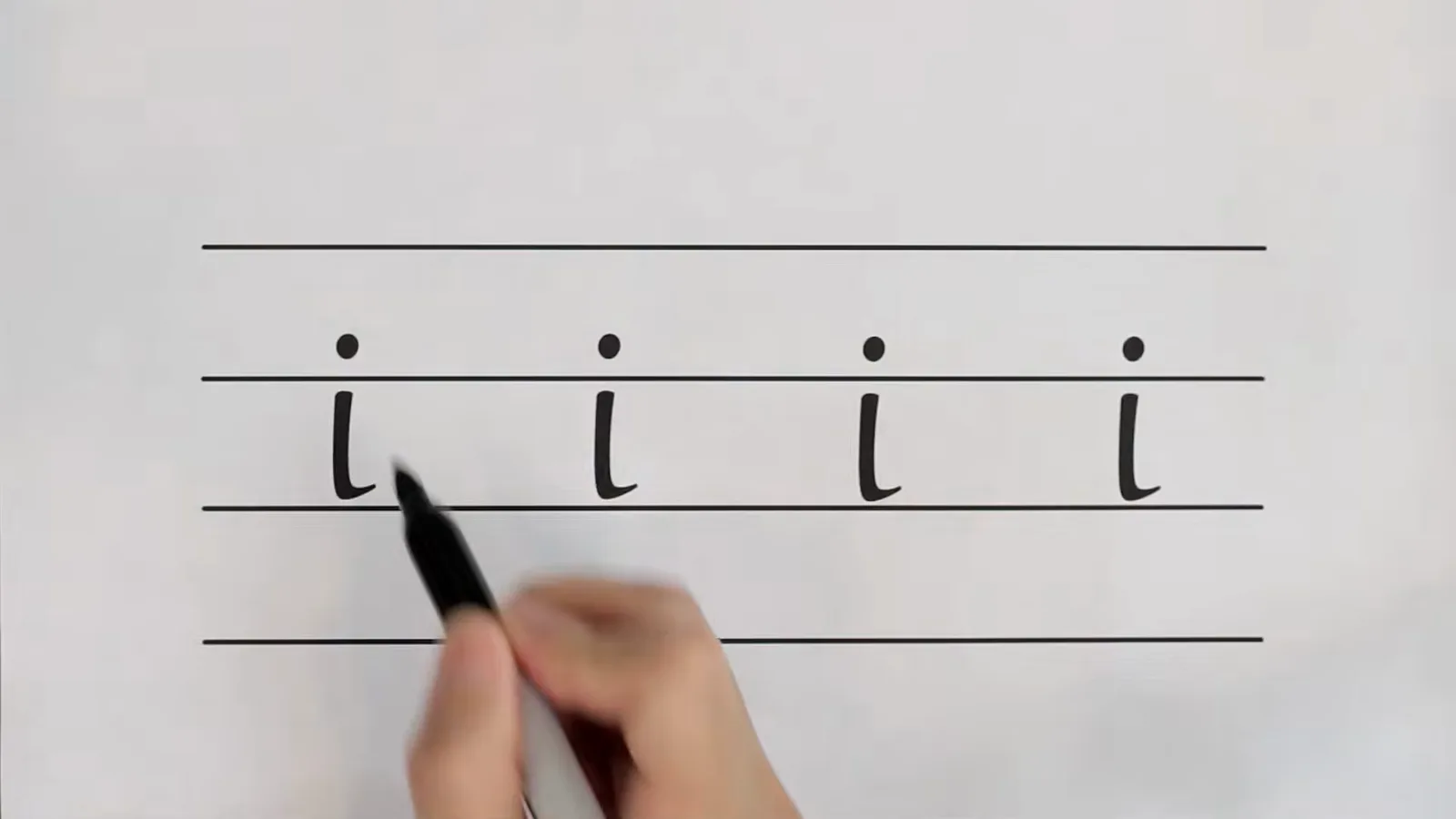
Mandarin tone marks always fall on the main vowel of the final. Follow this priority: a, o, e, i, u, ü. When i and u appear together as iu or ui, the mark goes on the second letter. One exception: when e carries the tone mark, the dot above e disappears — it becomes ê.
Tone-mark placement rules including the dotless e when a tone mark is added.Watch at 0:36 - 2
Read the five-level pitch scale
Before pronouncing tones, learn the five-line graph. Line 5 is your highest pitch and line 1 is your lowest. Every tone is drawn as a contour across these lines, which makes it easier to match your voice to the target shape regardless of whether you speak in a high or low register.

The five-line pitch graph used to visualize Mandarin tone height.Watch at 2:30 - 3
First tone — high and flat (55)
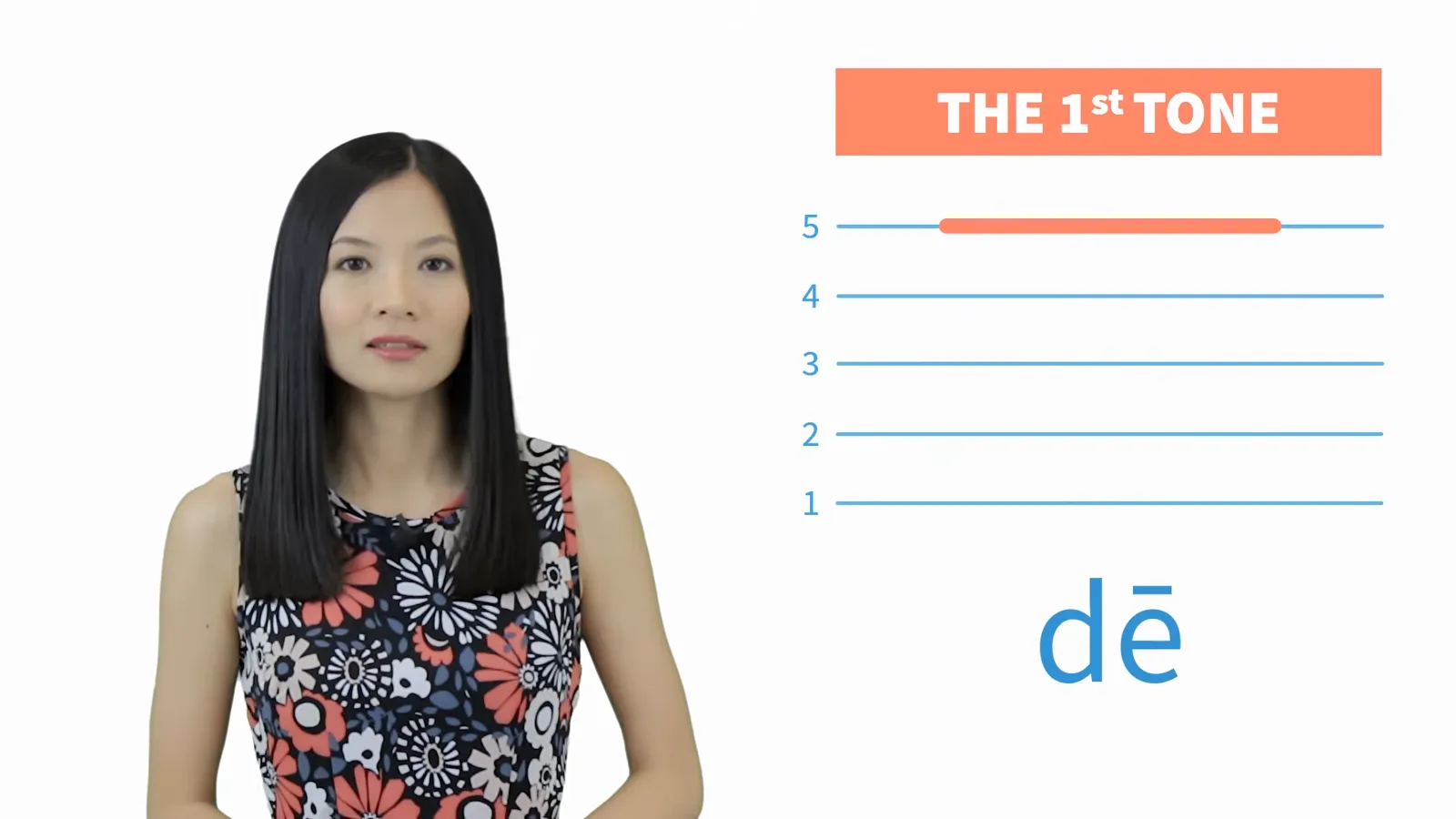
The first tone starts high and stays high the whole syllable — contour 55 on the scale. Think of holding a steady note without rising or falling. In a Chinese name, first-tone syllables like mā or lì should sound level and calm.
First tone shown as a flat line at the top of the pitch graph.Watch at 3:10 - 4
Second tone — rising (35)
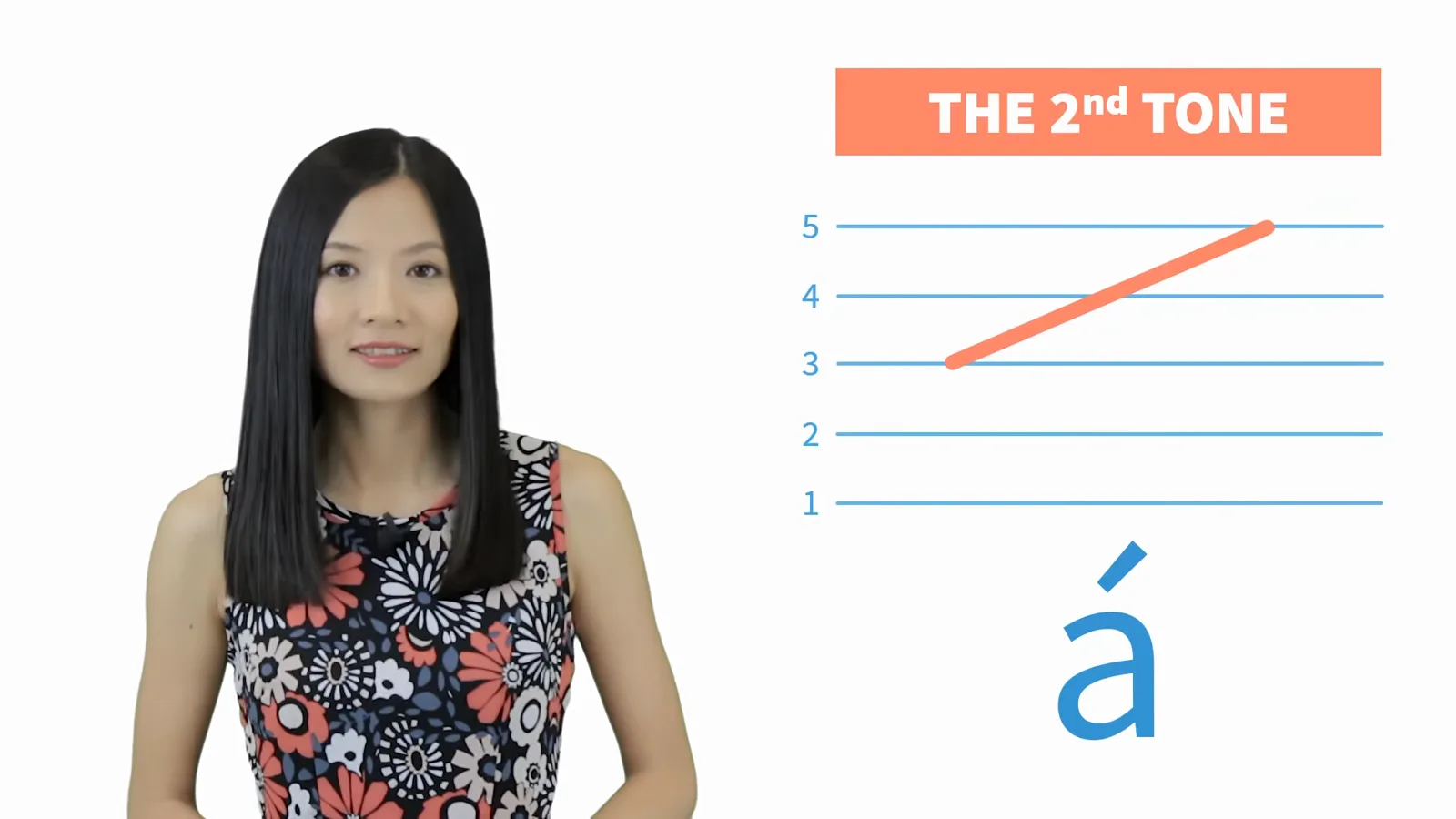
The second tone begins at mid pitch and rises to high — contour 35. It sounds like the upward inflection at the end of an English question: "Really?" Practice lifting your voice smoothly rather than jumping abruptly.
Second tone drawn as a rising line from the middle toward the top.Watch at 4:45 - 5
Third tone — dip then rise (214)
The third tone starts mid, drops to the bottom, then rises again — contour 214. In fast speech it often becomes a low tone without the full rise, but beginners should learn the complete dipping shape first. It is typically the longest tone in duration.
Third tone illustrated as a dip to the bottom followed by a rise.Watch at 6:25 - 6
Fourth tone — sharp fall (51)
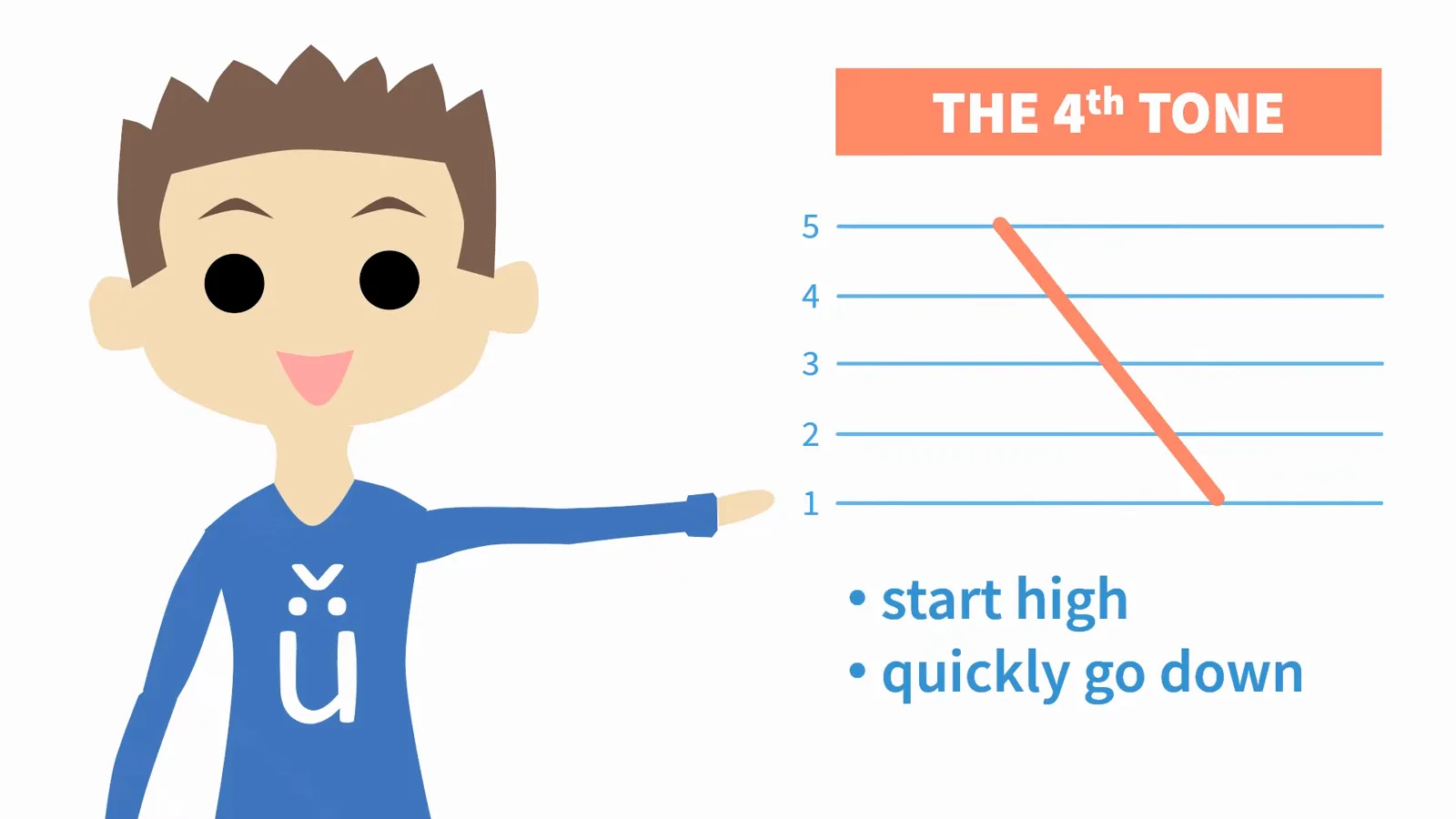
The fourth tone starts at the top and falls quickly to the bottom — contour 51. It is short and decisive, like a firm "No!" in English. Because it is the briefest tone, give it a crisp cut rather than dragging the syllable.
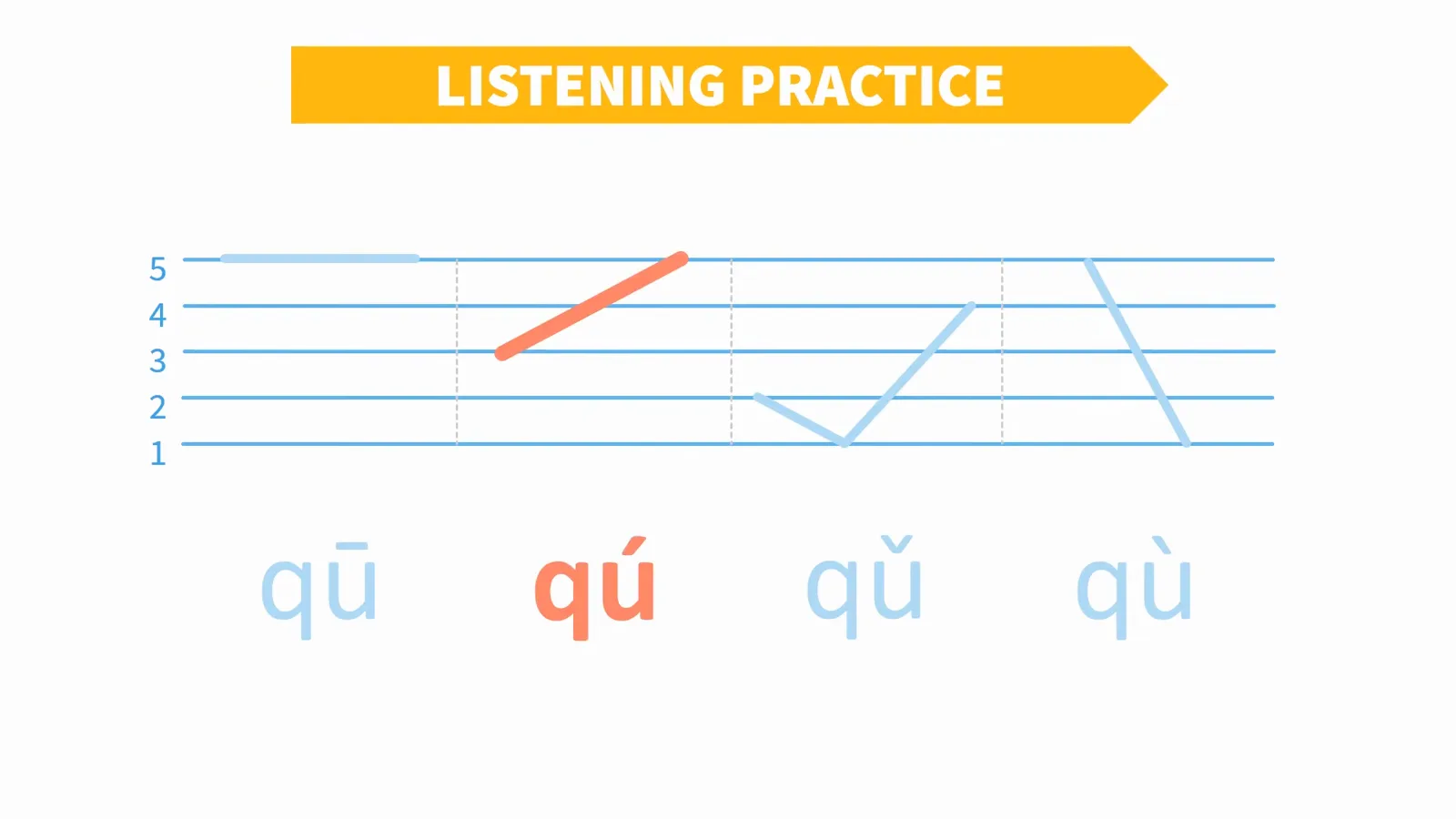
Fourth tone shown as a steep drop from the highest pitch line.Watch at 8:05 - 7
Compare how long each tone lasts
The same syllable spoken in different tones changes not only pitch but also length. Generally the third tone lasts longest, the fourth is shortest, and the first and second fall in between. Listening for duration helps you tell tones apart in real conversation and when reading your name aloud.
Waveform comparison showing third tone longest and fourth tone shortest.Watch at 6:30
Frequently asked questions
- Do tones matter when saying a Chinese name?
- Absolutely. Two names can look identical in pinyin but differ only by tone — mǎ (horse) and mā (mother) are the classic example. Mis-toned syllables in a name sound unnatural to native speakers.
- What if I am tone-deaf?
- Tone deafness in the musical sense is rare. Most learners struggle because Mandarin tones are a new muscle, not because they cannot hear pitch. The five-line graph and repeated drilling in this lesson help you feel the contours physically.
- Where does the tone mark go in a Chinese name syllable?
- On the main vowel of the final, using the a-o-e-i-u-ü priority. In combined finals like iu or ui, the mark goes on the second vowel. The dot on e drops when it carries a tone mark.
- How do I practice tones for my generated name?
- Say each syllable of your name slowly in isolation, checking the tone number in the pinyin. Then string the syllables together at normal speed. Record yourself and compare with native pronunciation of the same characters.
Keep going
© 2026 AIChineseName.