
How Chinese Characters Work: Pictograms, Ideograms, Compounds and Radicals
If you have ever been handed a Chinese name, you have received a small machine of meaning: every character inside it was assembled by one of a handful of ancient construction rules. This walkthrough follows the TED-Ed lesson by Gina Marie Elia frame by frame — from the legend of Cangjie and the oracle bones of the Shang dynasty, through pictograms like 人 (rén, person) and compound ideograms like 休 (xiū, to rest), up to the radical-plus-sound system that builds the vast majority of characters today. Once you can spot the parts, the characters in your own name stop being decoration and start telling you what they say about you.
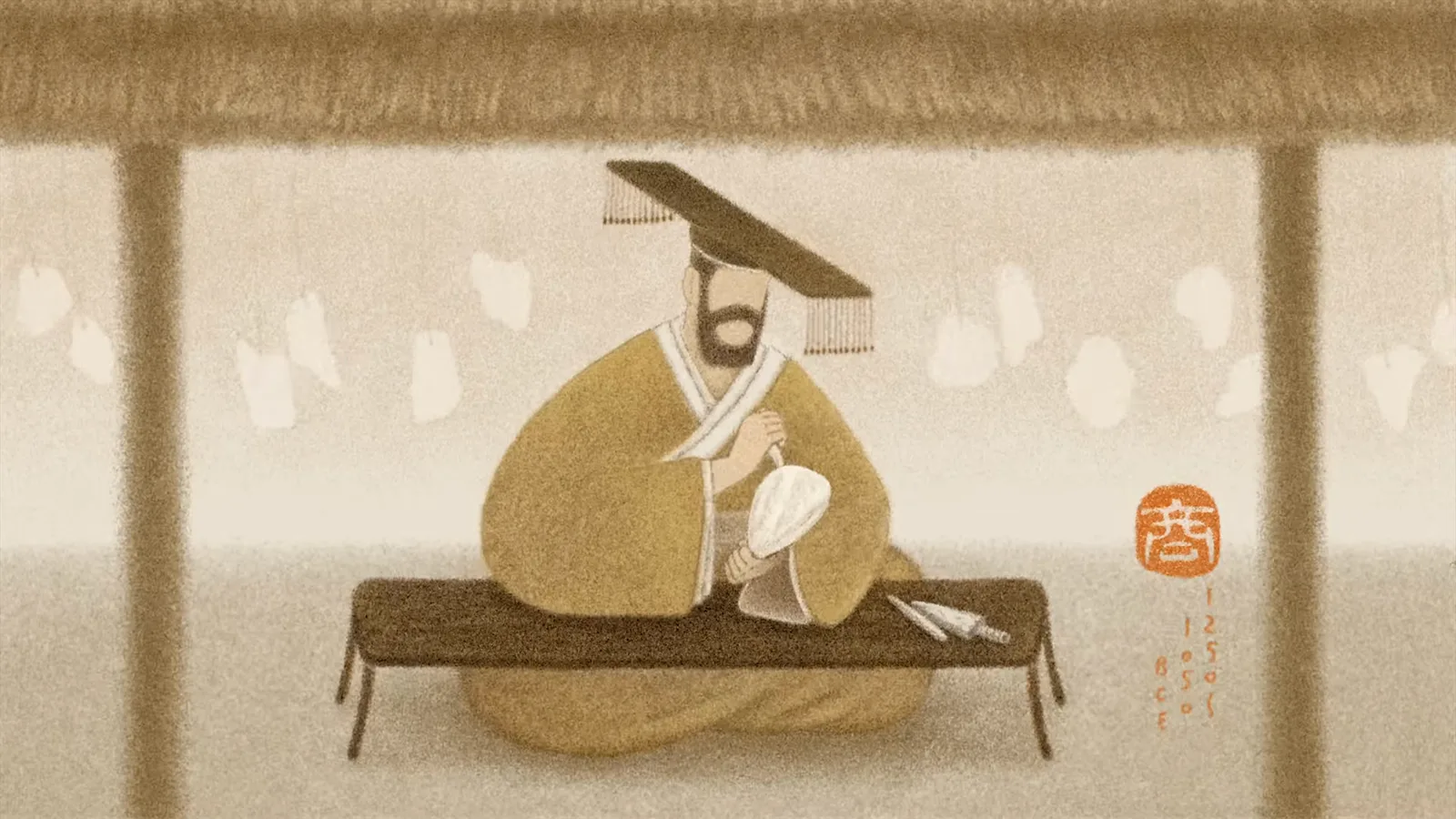
Key takeaways
- Chinese characters are not random drawings: the earliest ones are pictograms (rén 人, person; mù 木, tree) that literally picture what they mean.
- Abstract ideas get ideograms built from counted strokes — yī 一, èr 二, sān 三 — and compound ideograms fuse two pictures, as in 休: a person (人) beside a tree (木) means to rest.
- Most modern characters are logograms: a radical that gestures at the meaning plus a sound component that hints at the pronunciation, as in the homophone pair fēng 峰 (summit) and fēng 蜂 (bee).
- There are 214 radicals, each with its own definition, and characters are written from eight basic stroke types — the same parts you will see listed in any Chinese name breakdown.
- Pronunciation changes from dialect to dialect, but the written language is identical everywhere, and verbs like chī 吃 never conjugate — a past tense is just a marker such as le 了.
- The script has traveled from oracle bones to bronze to paper, split into simplified and traditional forms in the 1950s, and spread to Japanese kanji — so the characters in your name carry 3,000 years of history.
Inside the characters, step by step
- 1
The legend: Cangjie watches the world and invents characters
Legend places the invention of writing in the 27th century BCE, when the Yellow Emperor charged his historian Cangjie to create a system of records. Sitting by a riverbank, Cangjie noticed the imagery all around him — footprints, branches, currents — and turned what he saw into the first characters. The story says that on the night he finished, the sky rained millet and ghosts wept, fearing what the written word could now condemn.
Cangjie sketches the first characters from the shapes of the natural world.Watch at 0:40 - 2
The evidence begins on oracle bones
The oldest surviving writing is older than paper but younger than the legend: artifacts bearing Chinese characters date to the Shang dynasty, around 1250 to 1050 BCE, still making the script one of the earliest written languages on earth. Shang kings had questions etched into ox bones and turtle shells — divinations addressed to their ancestors on everything from harvests and warfare to the origin of a toothache. These oracle bone inscriptions are the ancestors of every character you will meet in a Chinese name.
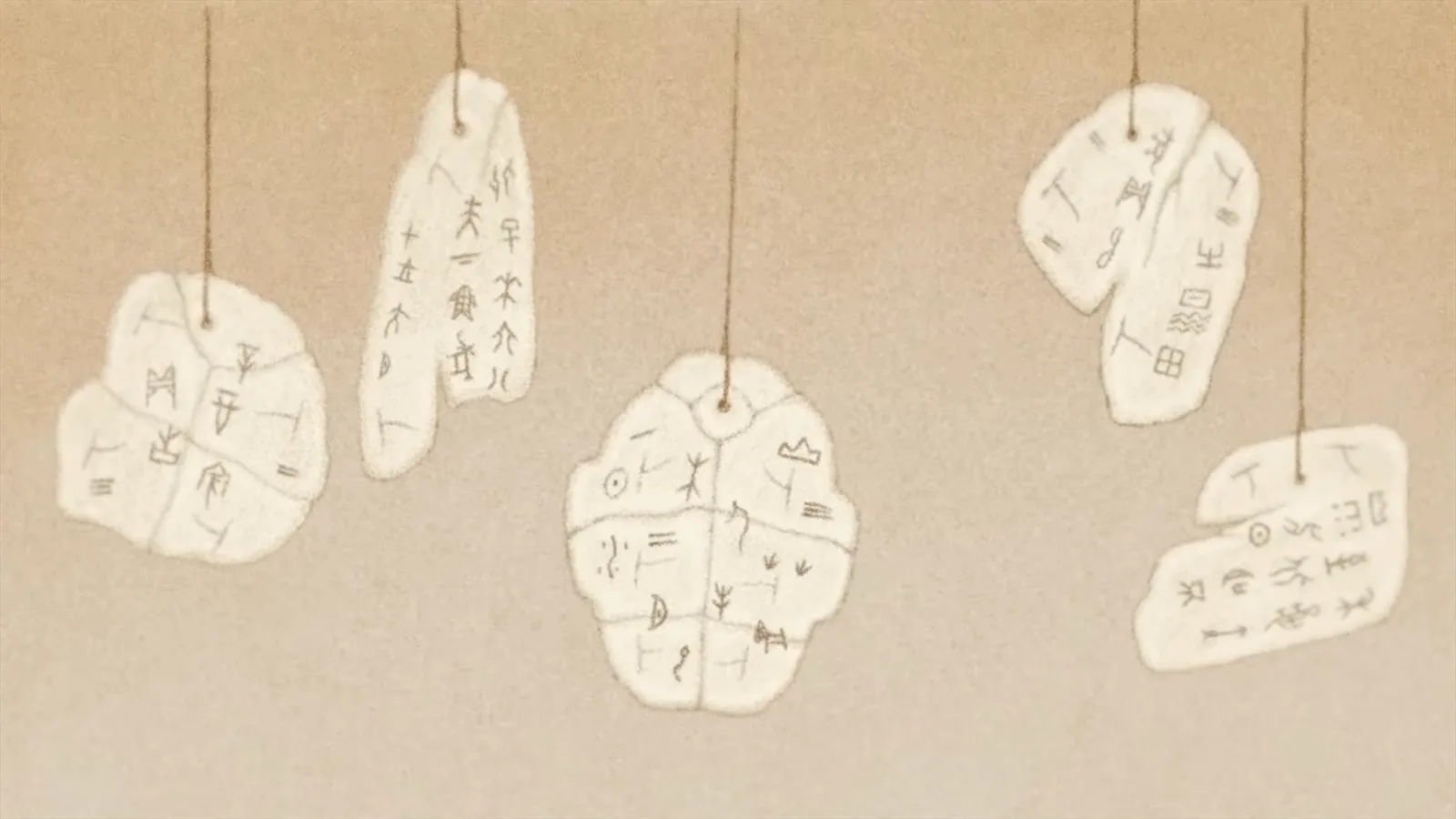
Etched ox bones and turtle shells carried the Shang kings' questions to their ancestors.Watch at 0:52 - 3
Pictograms: the character is the picture
Many of the earliest characters are pictograms — symbols that resemble what they are meant to represent — and some of the most foundational ones survive almost intact today. Rén 人, person, sketches a figure walking; mù 木, wood or tree, draws a trunk with branches above and roots below. When your name contains a pictogram, you are carrying a 3,000-year-old drawing of a real thing.
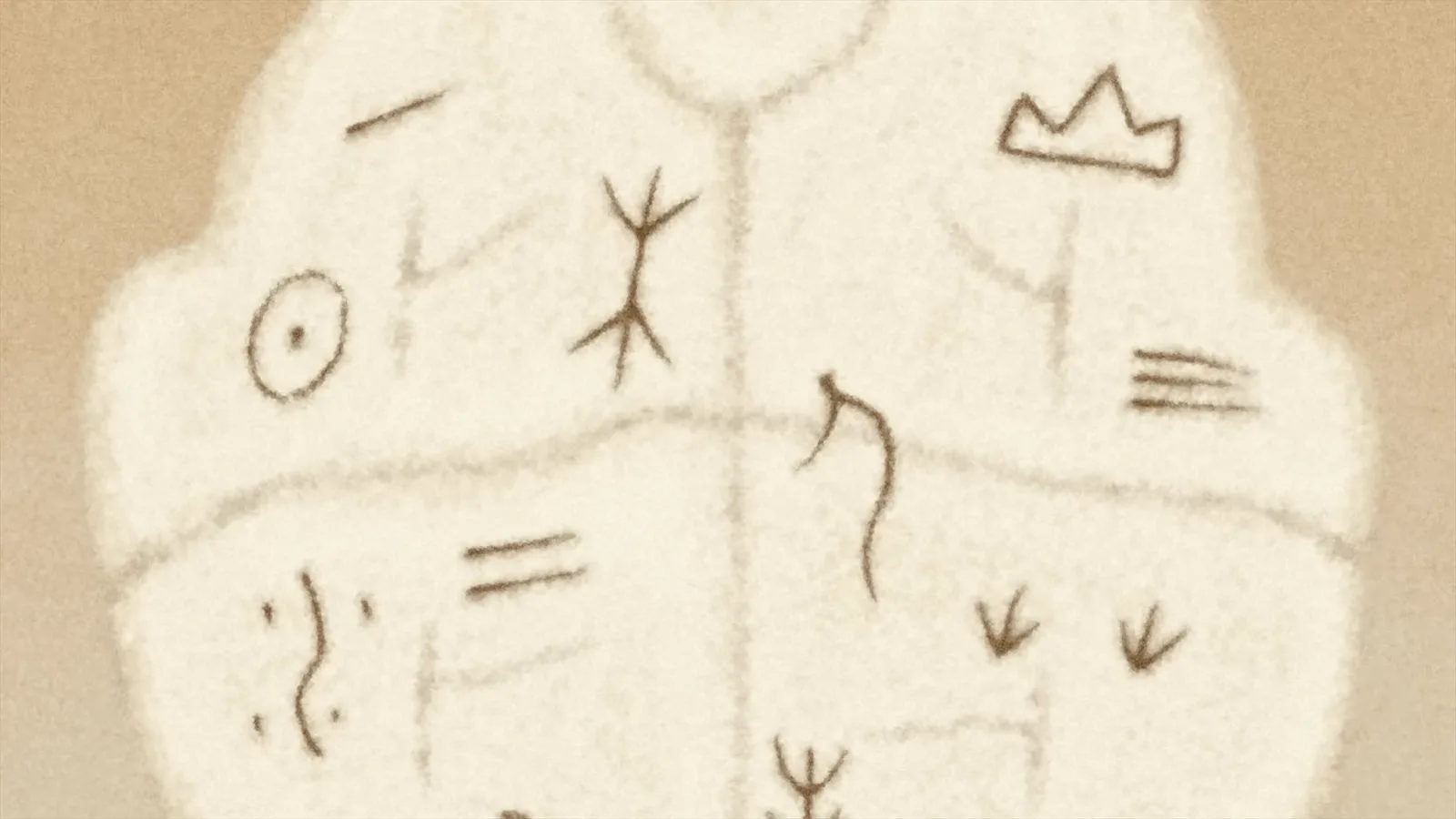
rén 人, person, emerges from the oracle shell exactly as a standing figure.Watch at 1:09 - 4
Ideograms: abstract ideas in counted strokes
Not everything can be photographed, so some characters are ideograms — symbols that represent abstract concepts. The numbers are the cleanest examples: yī 一 is a single stroke, èr 二 two strokes, sān 三 three. No picture of 'two' exists, so the writing system simply counts. These characters are among the simplest to write and the first ones children learn.
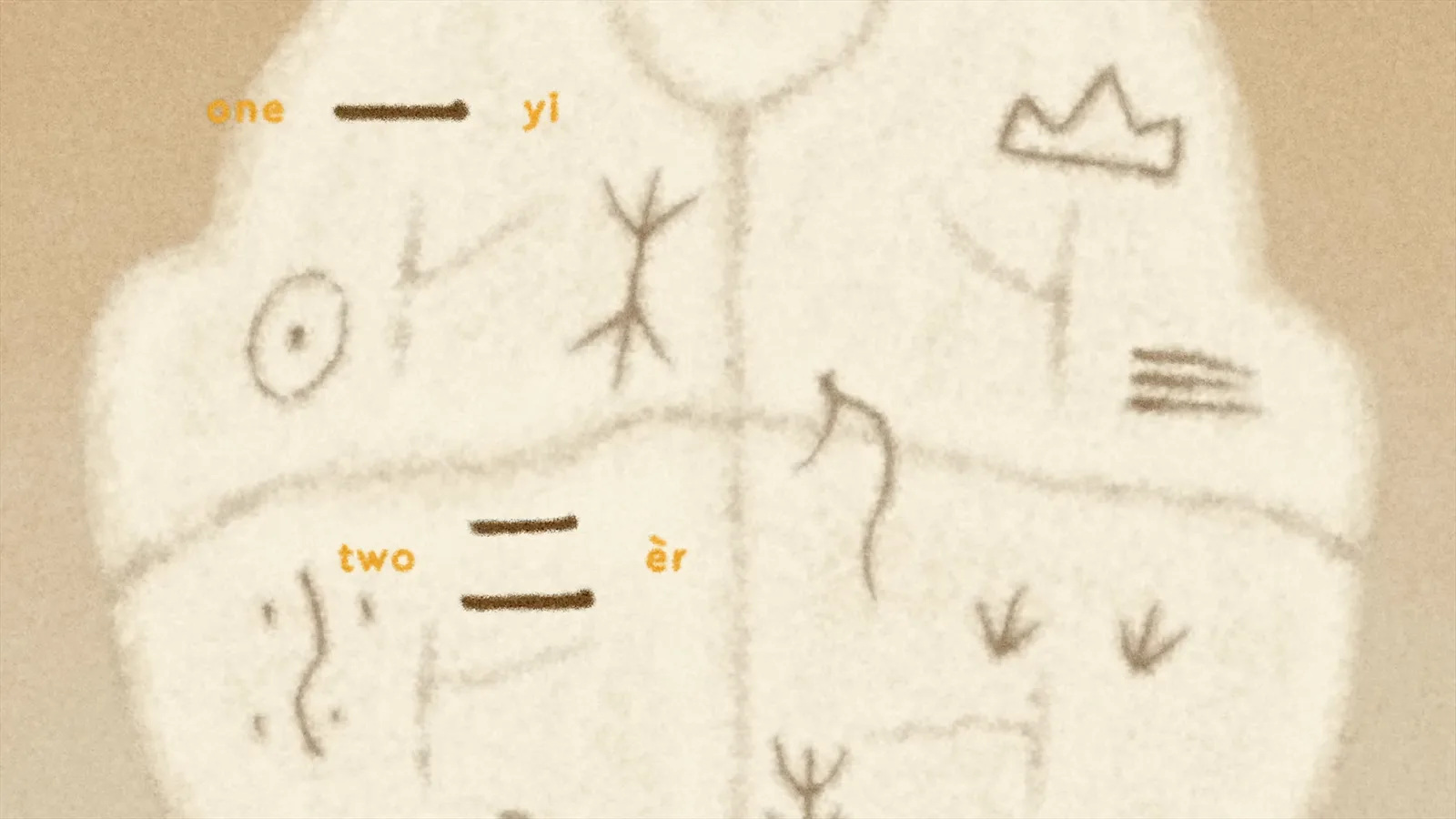
yī 一 and èr 二: abstract ideas written as counted strokes.Watch at 1:21 - 5
Compound ideograms: two pictures tell one story
Put two pictograms together and you get a compound ideogram — a character that combines two or more simpler symbols into a new idea. The lesson's example is xiū 休, to rest: the character for person (人) placed beside the character for tree (木), a figure leaning against a trunk. It is the same logic as a rebus, and spotting it turns a name's character into a small scene rather than a squiggle.
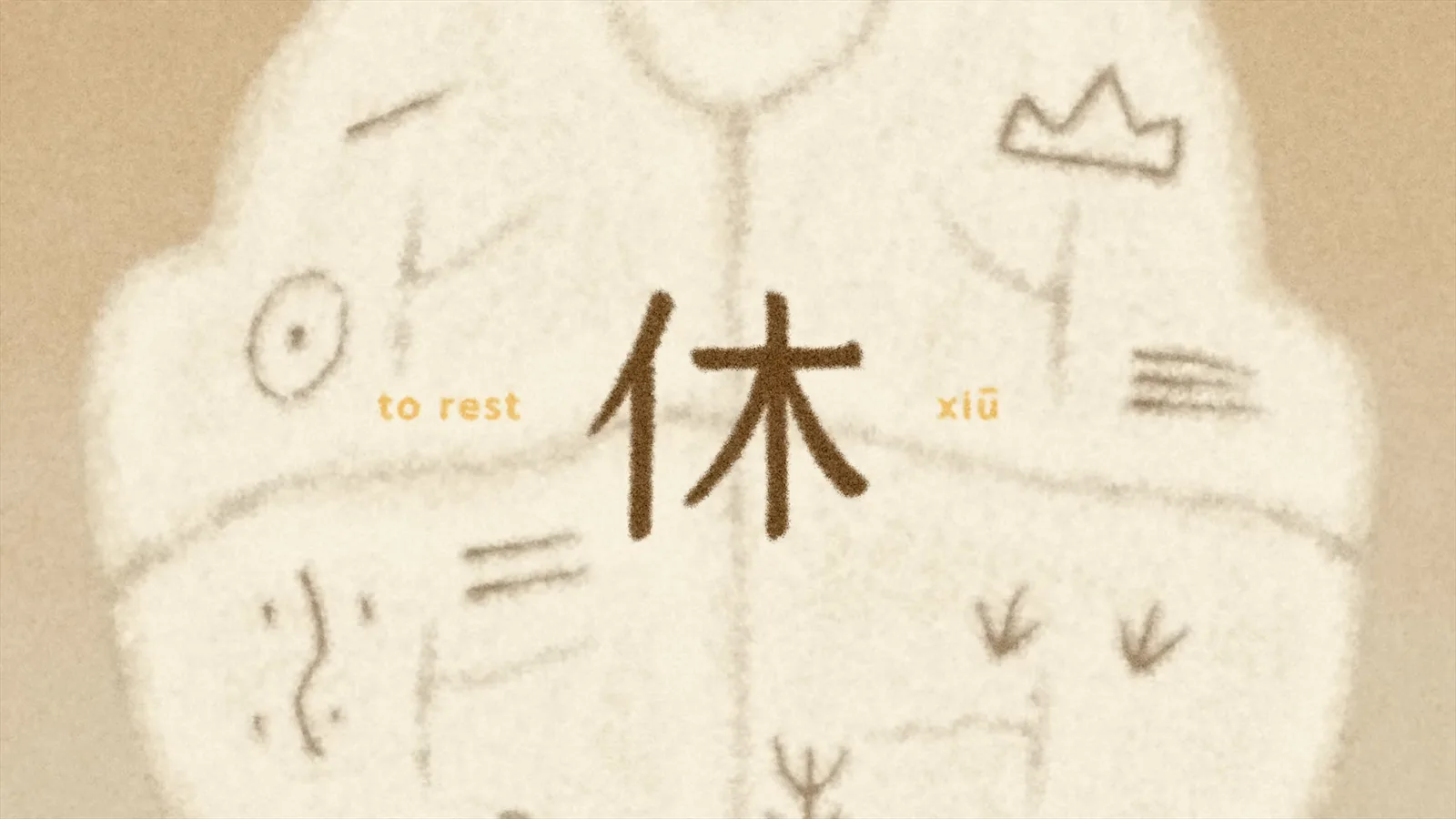
xiū 休, to rest: a person 人 beside a tree 木.Watch at 1:34 - 6
Radicals: the meaning part of every character
Most modern characters work differently. They are logograms built from two components: a radical, which gestures at the character's meaning, and a sound component, which hints at its pronunciation. Every character is drawn from strokes that are often simplified into eight basic types, and the script organizes itself around 214 radicals, each with its own definition. The sun radical rì 日 can stand alone as the character for sun, and it also appears inside sun-related characters such as xiǎo 曉, dawn.
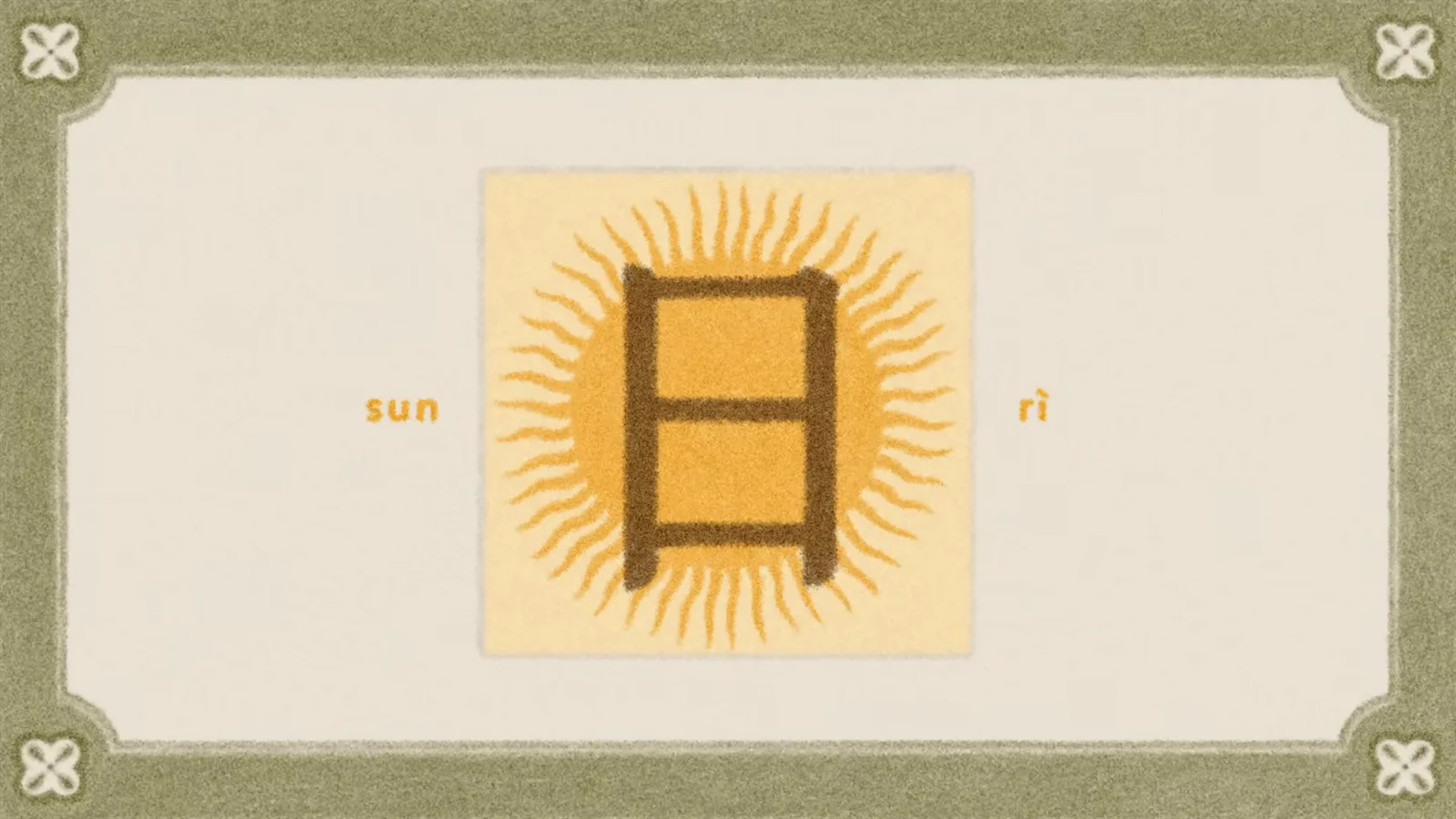
rì 日, sun: a radical that stands alone and anchors related characters.Watch at 2:04 - 7
Radicals move, shrink and hide inside characters
Radicals can sit to the left, to the right, above, below, or even wrap around the rest of the character. The water radical shuǐ 水 stands alone as its own character, but inside more complex characters it takes the squeezed three-dot variant 氵 — which is exactly what appears in hé 河, river. The grass radical never stands alone at all, yet it sits at the top of plant characters like huā 花, flower. Learn the radical and you hold the key to a whole family of characters.
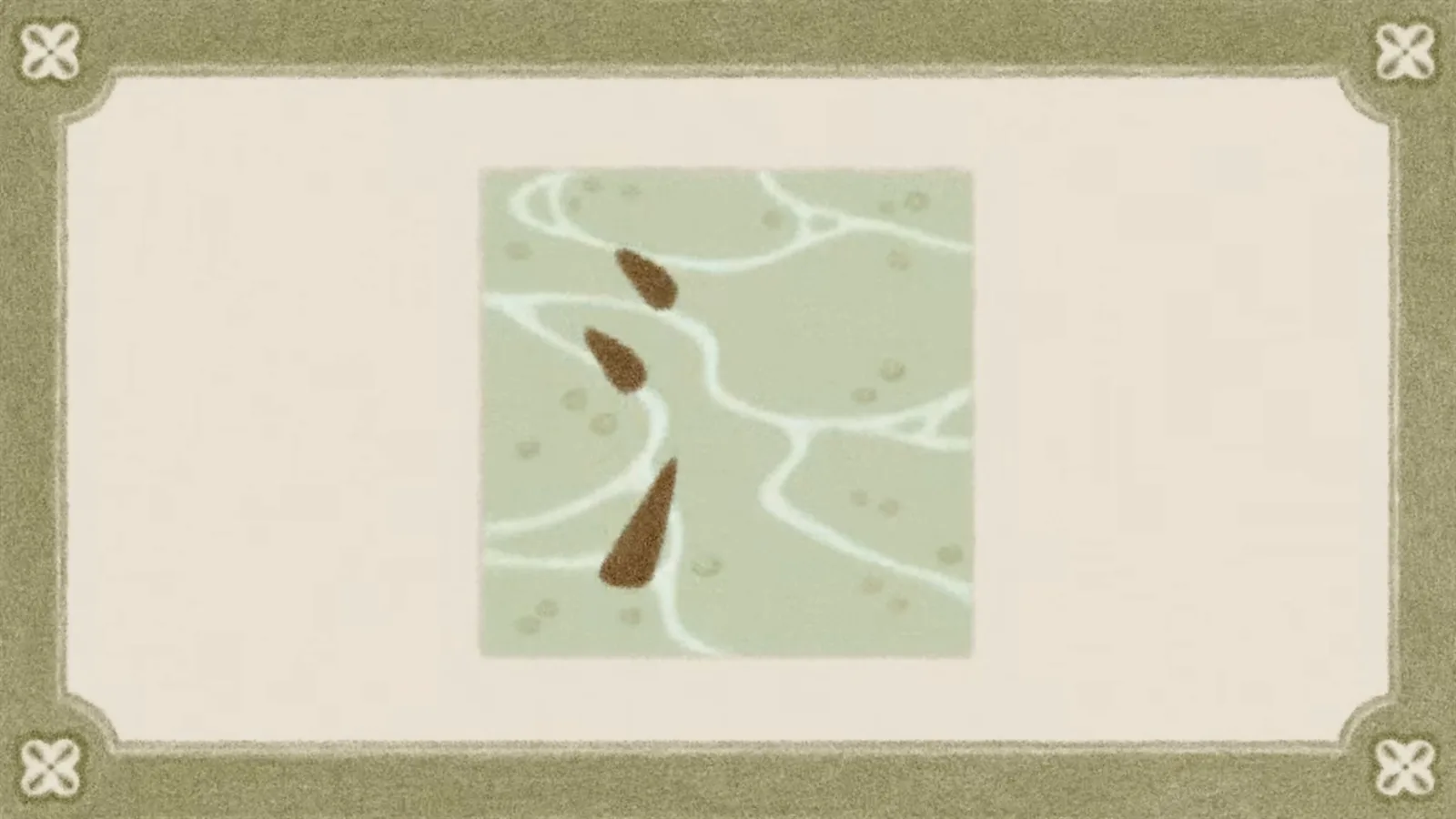
shuǐ 水 becomes the three-dot 氵 inside characters like hé 河, river.Watch at 2:26 - 8
Sound components: why fēng is both a summit and a bee
There are far more sound components than radicals — estimates run into the thousands — and similar-sounding words often share one. Take fēng 峰, summit, and fēng 蜂, bee: the radical shān, mountain, tells you the first character concerns peaks, while the insect radical chóng inside the second reveals the bee. Same pronunciation, different radical, different meaning. Since Chinese has many homophones, context and tones do the rest of the sorting.
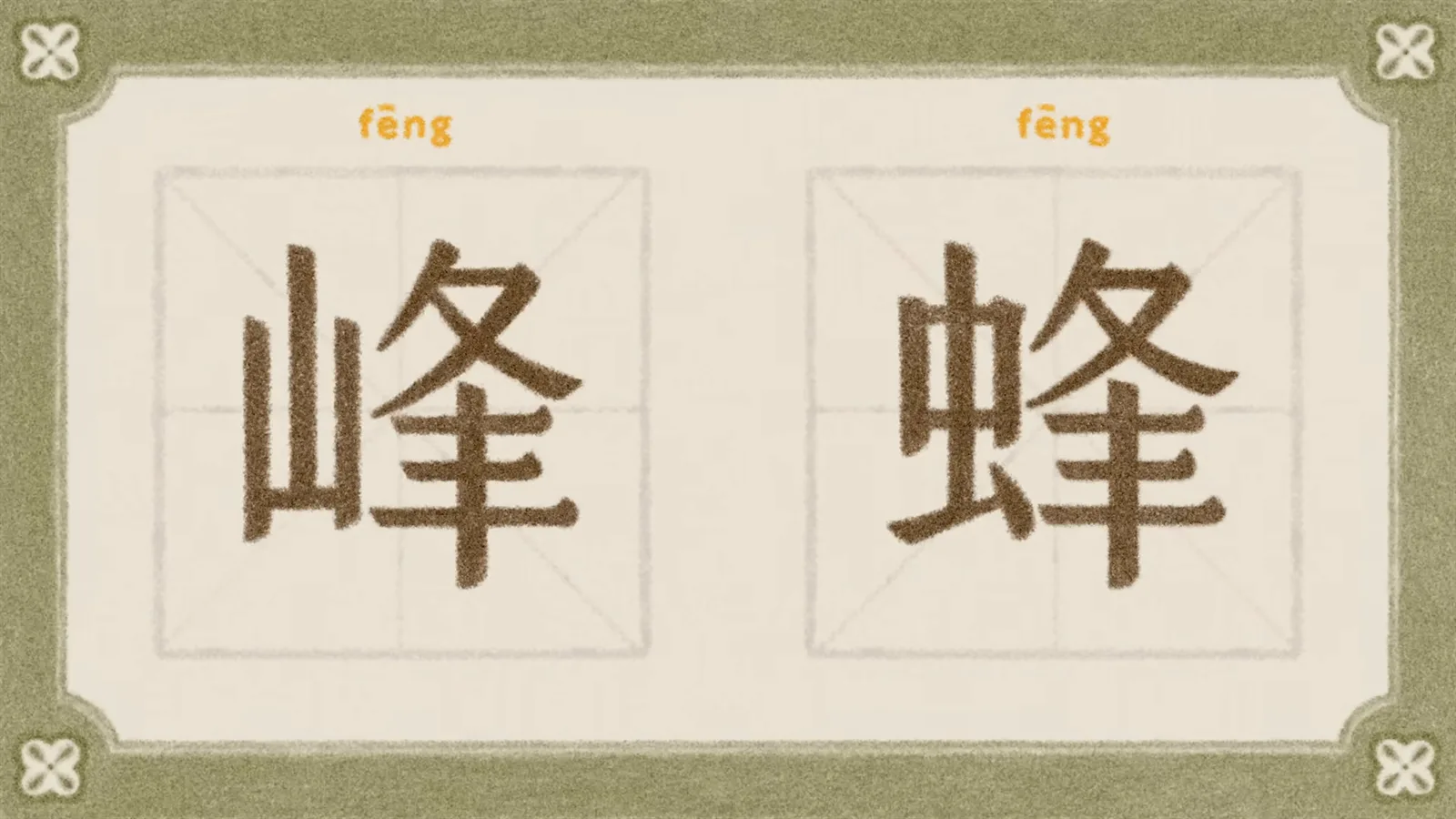
fēng 峰, summit, and fēng 蜂, bee: one sound component, two meaning-giving radicals.Watch at 2:50 - 9
One writing system, many dialects, no conjugation
How a character is pronounced depends on the dialect, and dialects vary so widely across the country that a conversation in one region can sound entirely different from one a few provinces away — yet the written language is identical in both places. And unlike the Romance languages, Chinese has no gendered nouns and no verb conjugations: the character chī 吃, to eat, stays exactly the same whether the subject is you, a coworker, or a legion of fearful ghosts. To indicate the past, a marker like le 了 is simply added, so 'I eat bread' becomes 'I ate bread.'
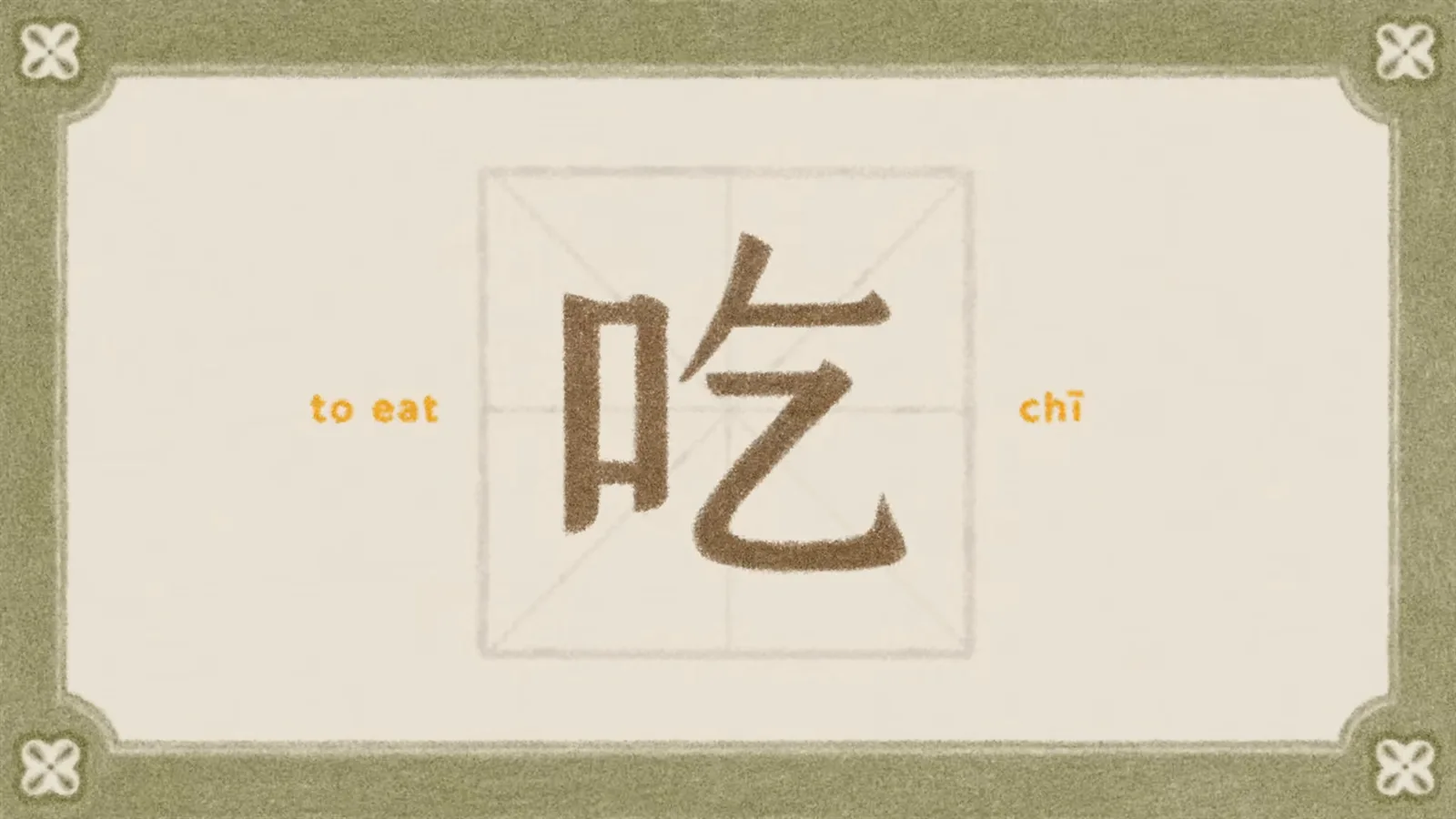
chī 吃, to eat: the verb never changes form, whoever is doing the eating.Watch at 3:30 - 10
From bone to bronze to paper
Over the centuries the writing system itself kept changing with its materials. Characters were first etched into bone, then cast into bronze ritual vessels, and later brushed onto paper — and along the way the script evolved from angular oracle forms into the rounded shapes written today. When you trace a modern character's history, you are often following its silhouette across all three media.
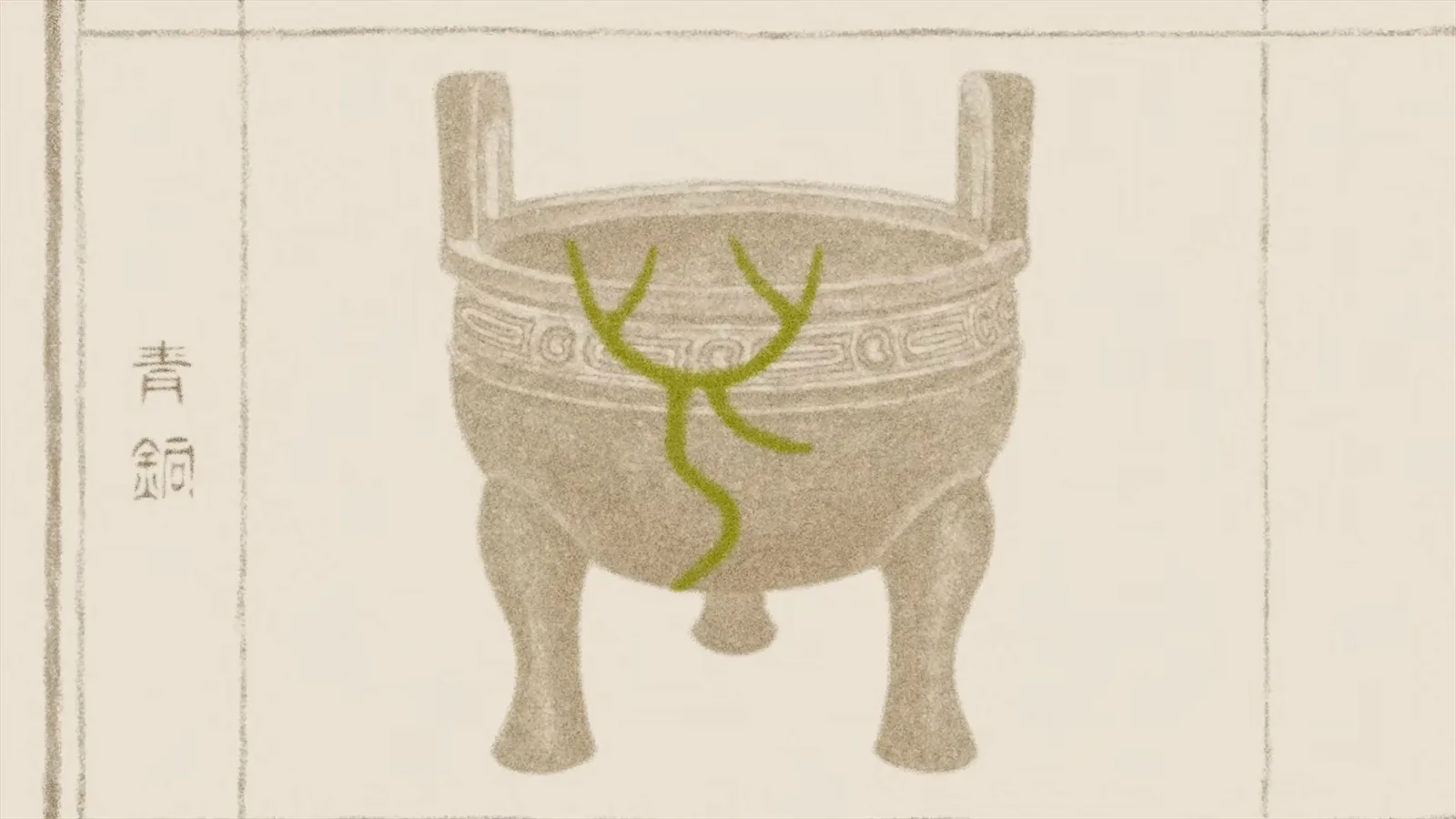
Characters cast in bronze mark the middle stage between bone and paper.Watch at 3:50 - 11
The 1950s split: simplified and traditional
In the 1950s and 60s, new simplified versions of the traditional characters were introduced and are now standard in mainland China — èr 兒 became 儿, with many strokes shaved off. Traditional characters, however, remain in everyday use in Hong Kong and Taiwan. So the same name can be written two ways depending on where its wearer lives, and both spellings are considered correct.
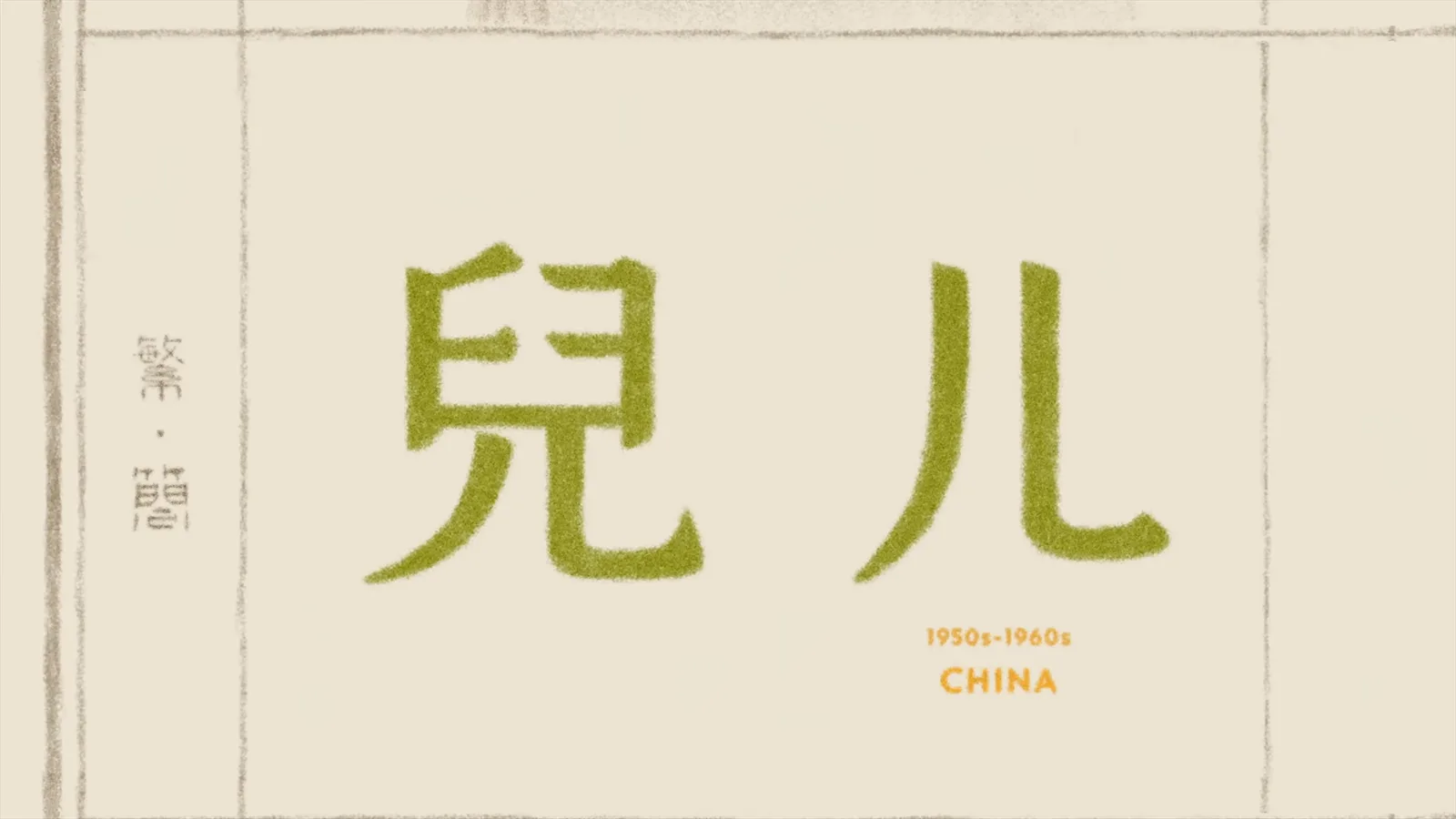
traditional 兒 next to simplified 儿, the 1950s reform now standard in China.Watch at 4:00 - 12
The system spreads: kanji, hanja and 3,000 years of characters
The Chinese character system may look unique, but its development shaped its neighbors too: around 60% of Japanese dictionary entries are kanji that originated in Chinese or were built from its elements, and Korean hanja tells a similar story. With a 3,000-year history, the script has outlived every medium it was written on — and every character in a Chinese name, whether simplified or traditional, is a living piece of that record.
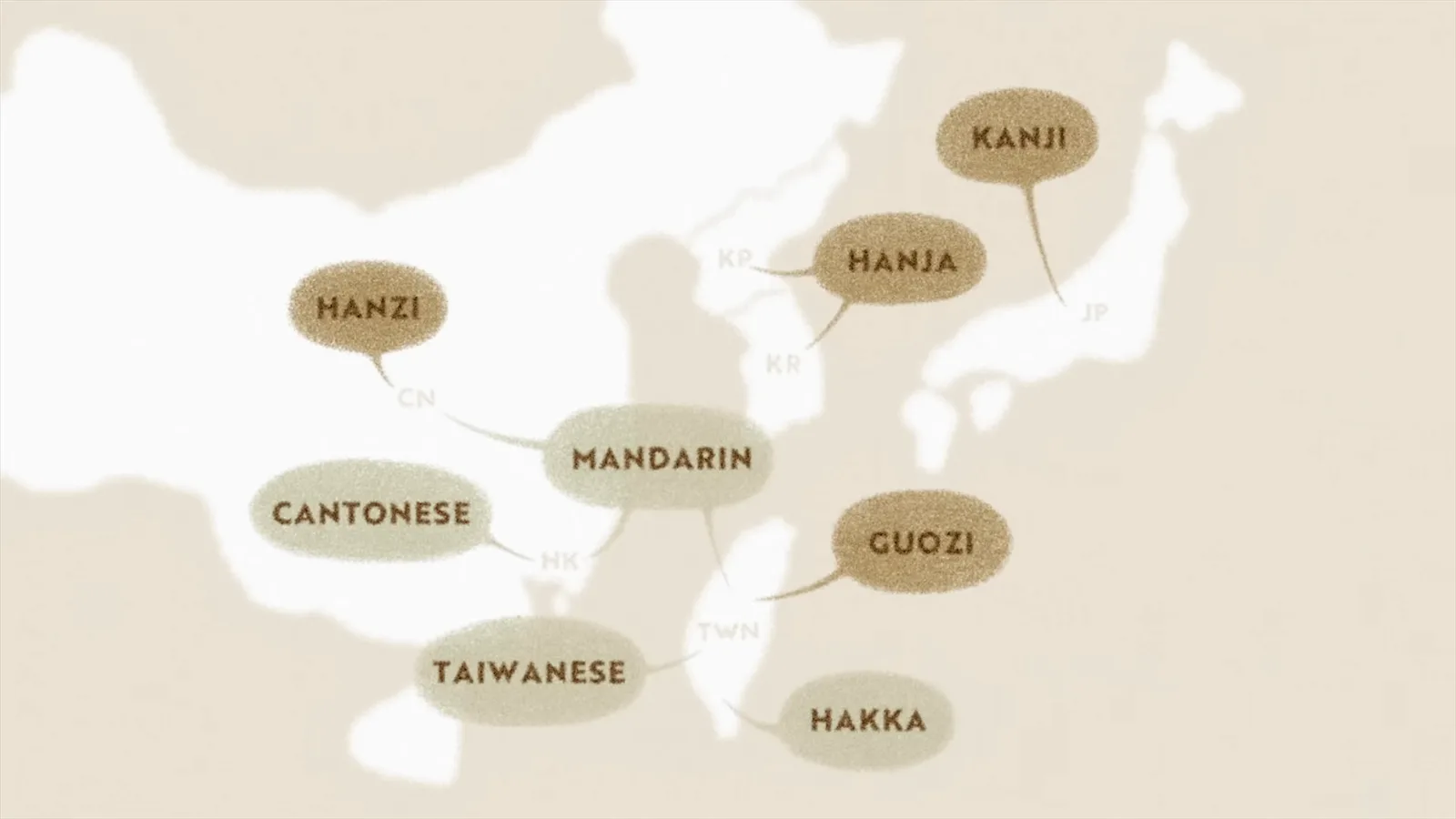
One script, many languages: Mandarin, Cantonese, kanji and hanja on one map.Watch at 4:17
Frequently asked questions
- What are the main ways Chinese characters are constructed?
- The lesson walks through four: pictograms that draw the object (rén 人, person), ideograms that write abstract ideas with strokes (èr 二), compound ideograms that fuse two pictures into a new idea (xiū 休, a person resting by a tree), and logograms — the majority today — made of a meaning radical plus a sound component.
- What is a radical in a Chinese character?
- A radical is the component that gestures at a character's meaning. Chinese has 214 of them, each with its own definition: 日, sun, appears in sun-related characters like 曉, dawn; 氵, the water variant, flows through 河, river; 山, mountain, sits inside 峰, summit. Radicals can appear to the left, right, top, bottom, or wrapped around the character.
- Why do 峰 (summit) and 蜂 (bee) sound identical but mean different things?
- Both are fēng, and both share the same sound component, which hints at the pronunciation. Their radicals carry the meaning: the mountain radical makes 峰 a summit, while the insect radical makes 蜂 a bee. Because Chinese has many homophones, tones and context do the final sorting.
- Will I see simplified or traditional characters in my Chinese name?
- Both exist. Simplified characters, introduced in mainland China in the 1950s and 60s, are standard there; traditional characters remain in use in Hong Kong and Taiwan. The same name may be spelled either way — for example 兒 and 儿 — and both are correct.
- Do Chinese characters change form like verbs in European languages?
- No. Chinese has no gendered nouns or verb conjugations: chī 吃, to eat, is written identically for every subject and tense. Past time is shown by adding a marker such as le 了, so the characters you pick for a name keep exactly one fixed, meaningful form.
Keep going
© 2026 AIChineseName.