
The Great Race: Why the 12 Chinese Zodiac Animals Stand in This Order
In Western astrology your sign comes from the stars of your birthday month. The Chinese zodiac, shēngxiào (生肖), works differently: the animal of your birth year, in an order that never changes — and a famous myth explains why. This walkthrough follows the TED-Ed retelling of the Great Race frame by frame, from the Jade Emperor's decree to the pig's late finish, and then unpacks what the story only hints at: why the cycle repeats every 60 years, and how your birth month, day and hour each add another animal. Once you know your sign, try our zodiac name generator to see the animal of your birth year worked into a real Chinese name.
Key takeaways
- The Jade Emperor held a river race; the first 12 animals to cross would each give their name to a year, in order of arrival.
- The rat won by riding the kind ox across the river and leaping off its head at the last moment — that is why the rat still leads the cycle.
- The dragon could have flown straight over but stopped to help creatures in need, and the Jade Emperor honoured that with fifth place.
- The goat, monkey and rooster shared a raft and split eighth to tenth; the playful dog came eleventh and the well-fed pig twelfth.
- The cycle is 60 years, not 12, because each animal year is also paired with one of five elements and a yin or yang stem.
- Your birth month, day and hour each point to another animal — the inner, true and secret animals — and nearby Asian countries reshuffled the line-up their own way.
The Great Race, step by step
- 1
The Jade Emperor invents a way to measure time
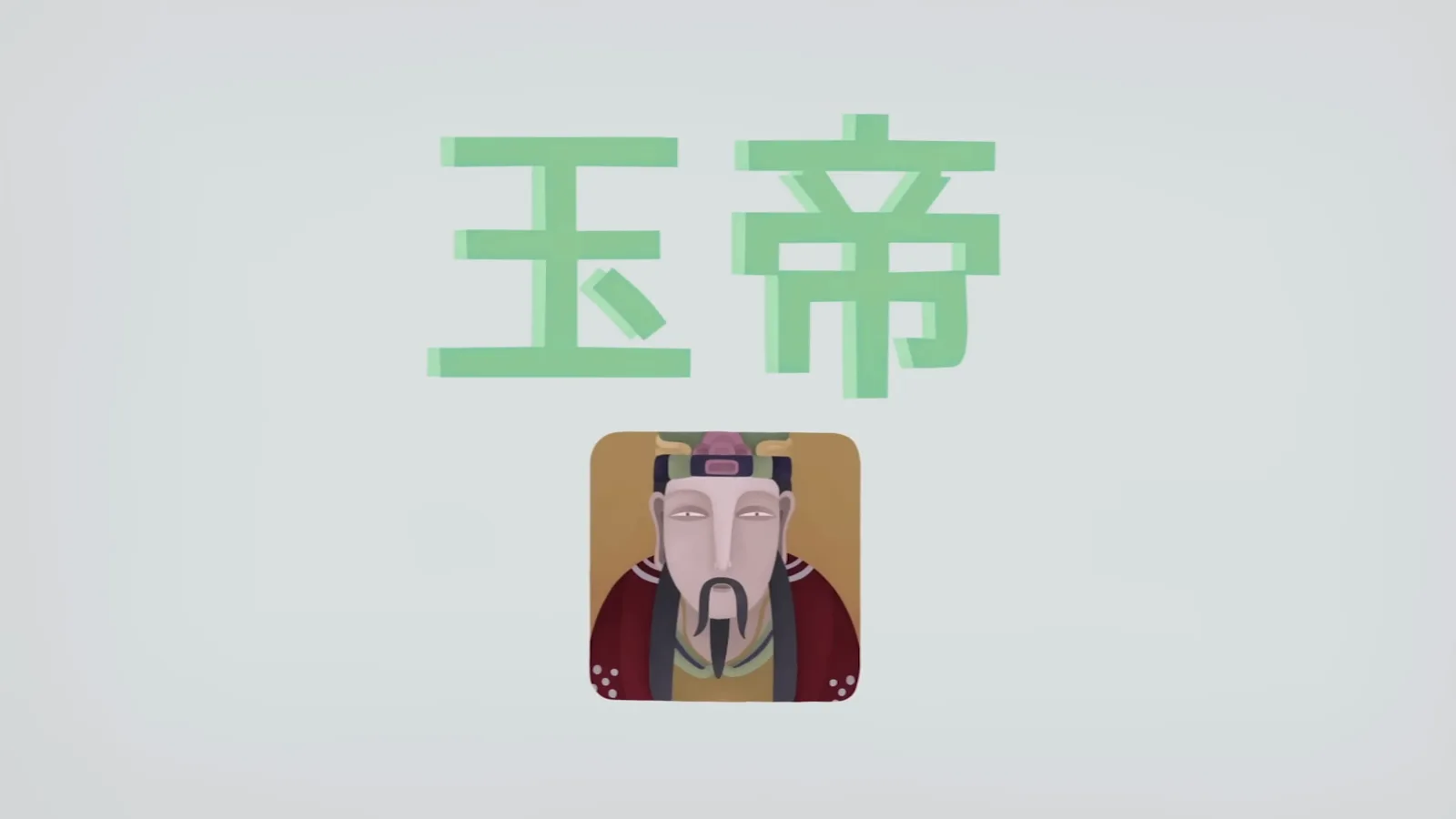
The story opens with the Yù Dì (玉帝), the Jade Emperor, ruler of the heavens, looking for a way to measure time. His solution is a contest: a race across a river, open to all the animals. The first twelve to reach the far shore will each have a year named after them, in exactly the order they arrive. No other qualification matters — only the order of finishing.
The Jade Emperor decrees the Great Race that will name the twelve years.Watch at 0:36 - 2
Twelve animals, one calendar
These are the twelve competitors whose order still runs today: rat, ox, tiger, rabbit, dragon, snake, horse, goat, monkey, rooster, dog and pig. Each animal rules one year, and after the pig the cycle starts over at the rat. People are said to inherit the character of the animal of their birth year — which is why the race's order still matters to anyone choosing an auspicious name or planning a birth year.
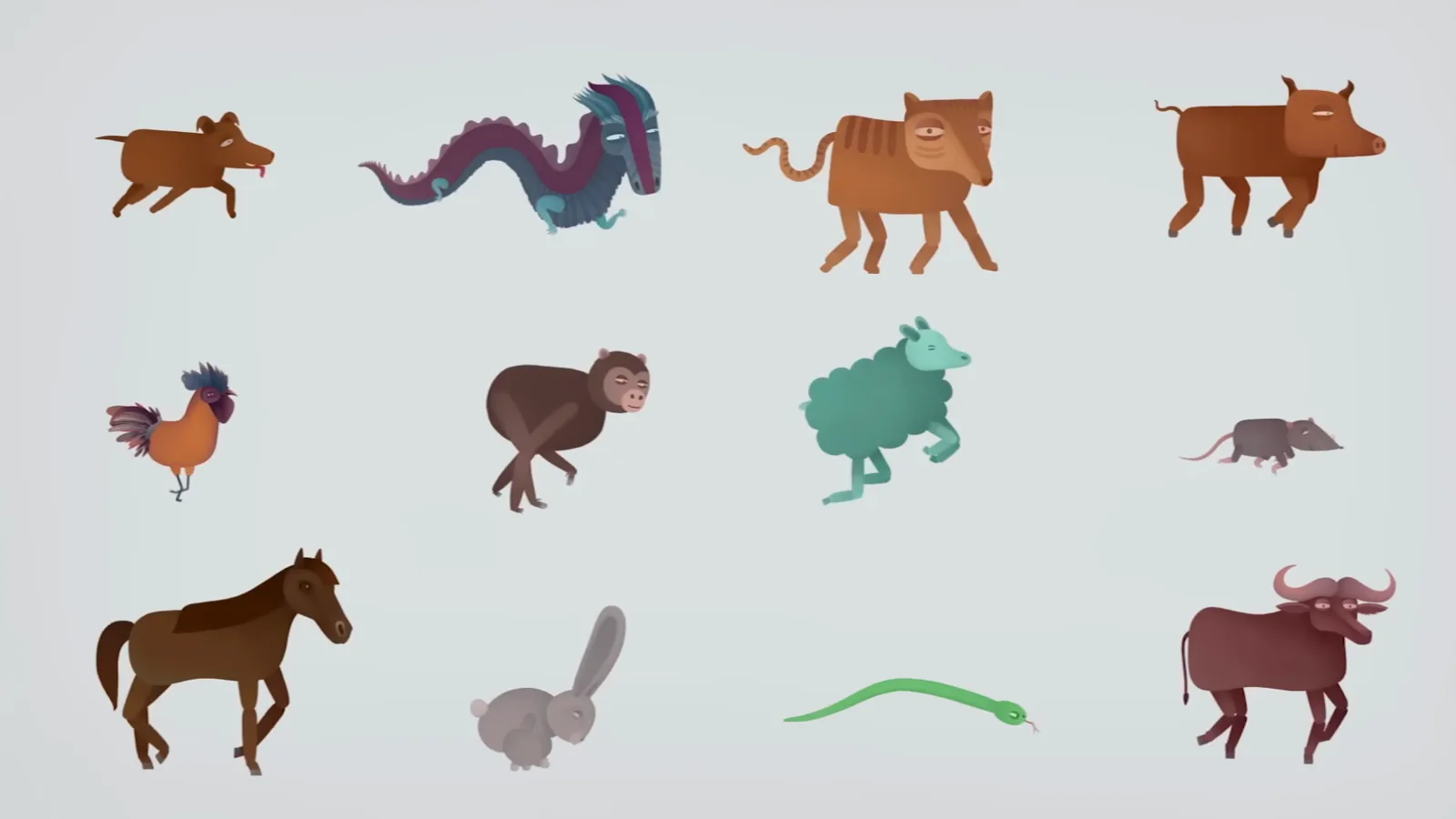
The twelve zodiac animals in their finished order, rat through pig.Watch at 0:42 - 3
The rat talks the kind ox into ferrying him
The rat rises with the sun for an early start but is small and a poor swimmer. At the river he meets the horse, the tiger and the ox; the tiger and horse refuse to help, but the good-natured ox agrees to carry the rat across on his back. It is the decision that costs the ox the whole race — kindness, not weakness, is what the story is setting up.
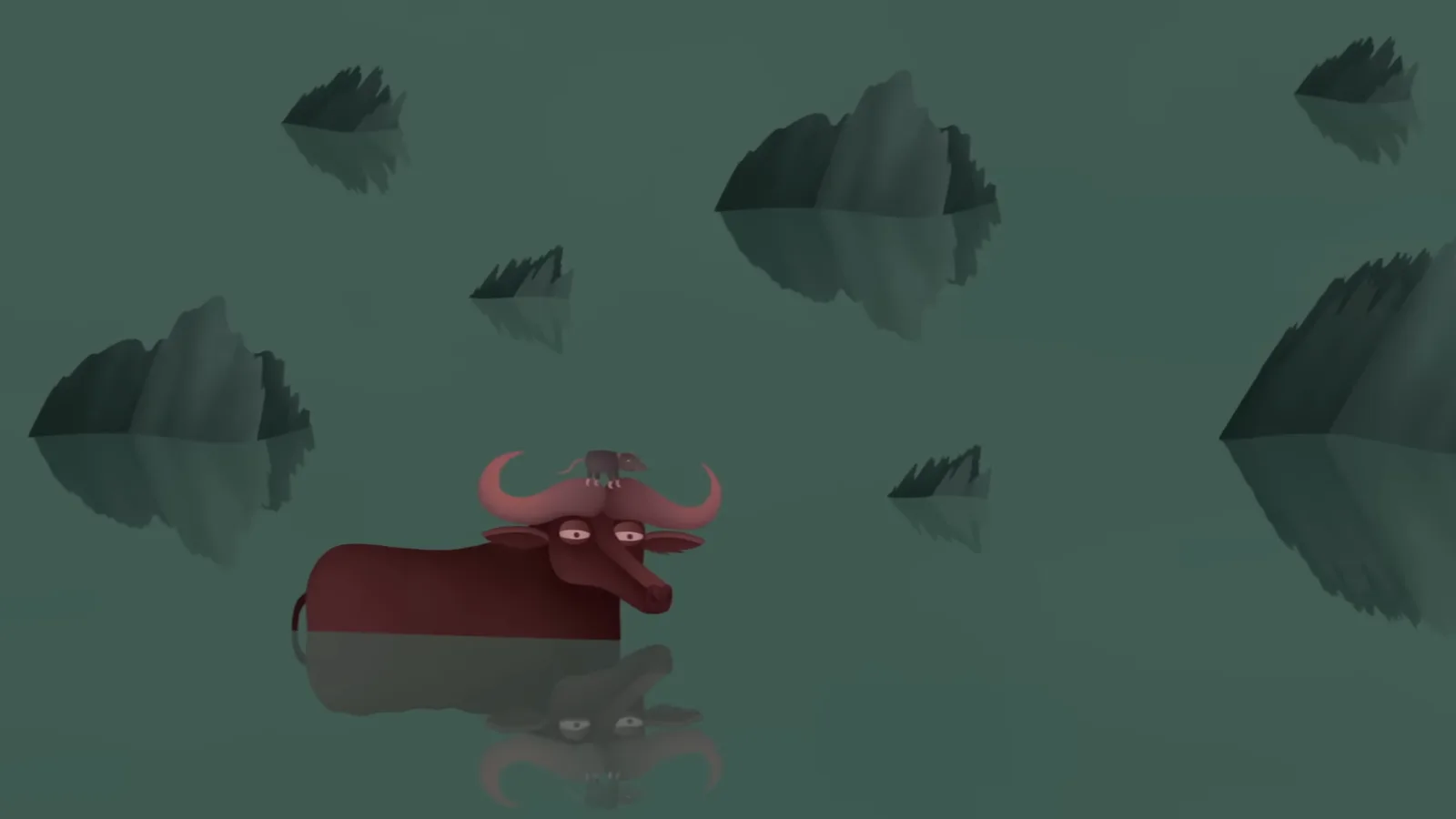
The ox swims the river with the rat hidden aboard.Watch at 1:00 - 4
The rat leaps off the ox's head and steals first place
Just as the ox is about to reach the far bank, the rat jumps from his head and lands ahead of him. First place belongs to the smallest competitor in the field. This is the trick every version of the myth keeps: the rat is clever, bold and not entirely honest, and the zodiac opens with that character — people born in rat years are said to be resourceful for exactly this reason.
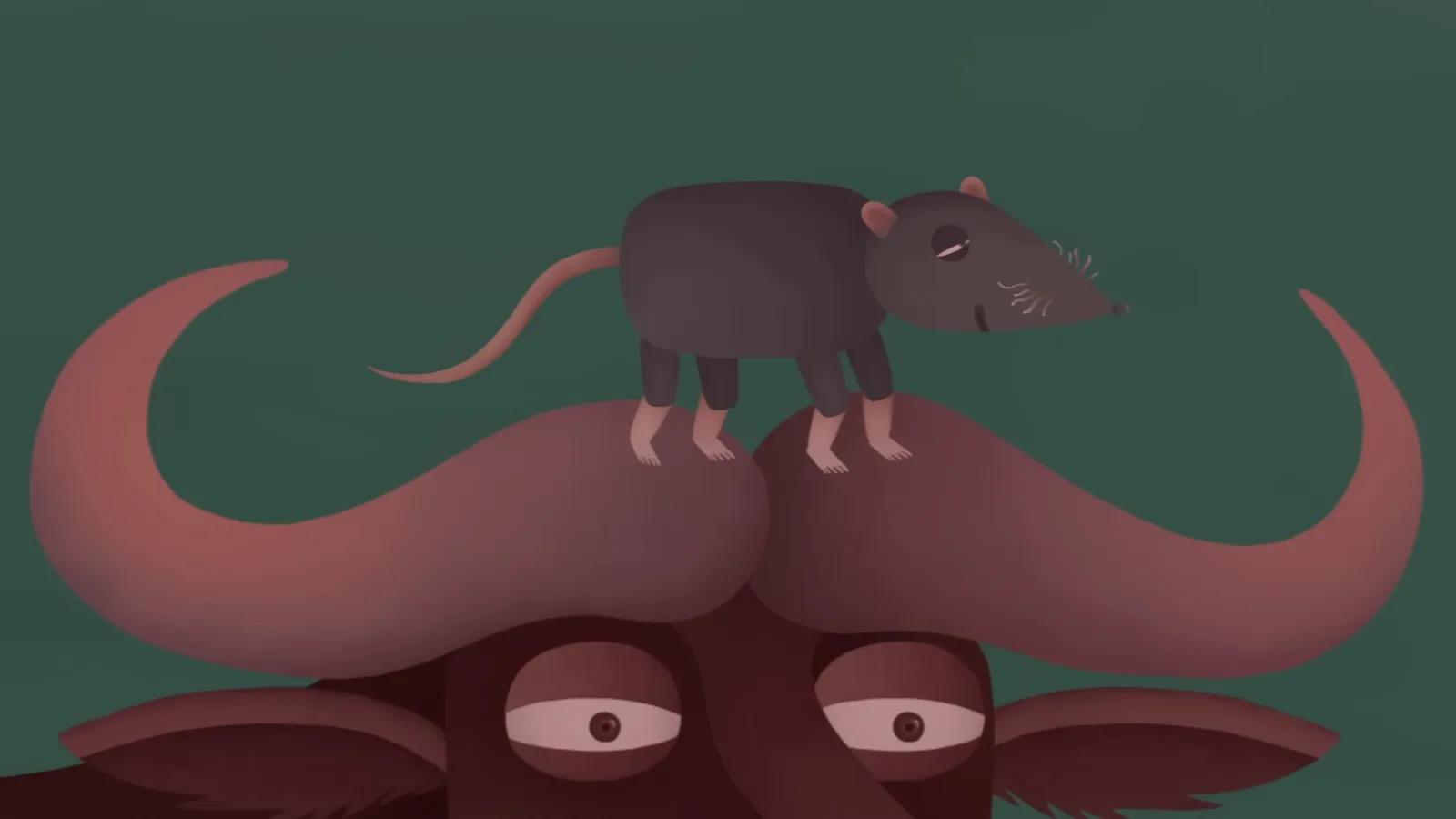
The rat stands on the ox's head a moment before leaping to victory.Watch at 1:10 - 5
Ox second, tiger third
The ox takes second place with the powerful tiger right behind him. The tiger fought the river's strong currents the whole way, which is why he arrives soaked and furious but still on the podium. In the zodiac's character reading, the tiger's years carry that same forceful, competitive energy.
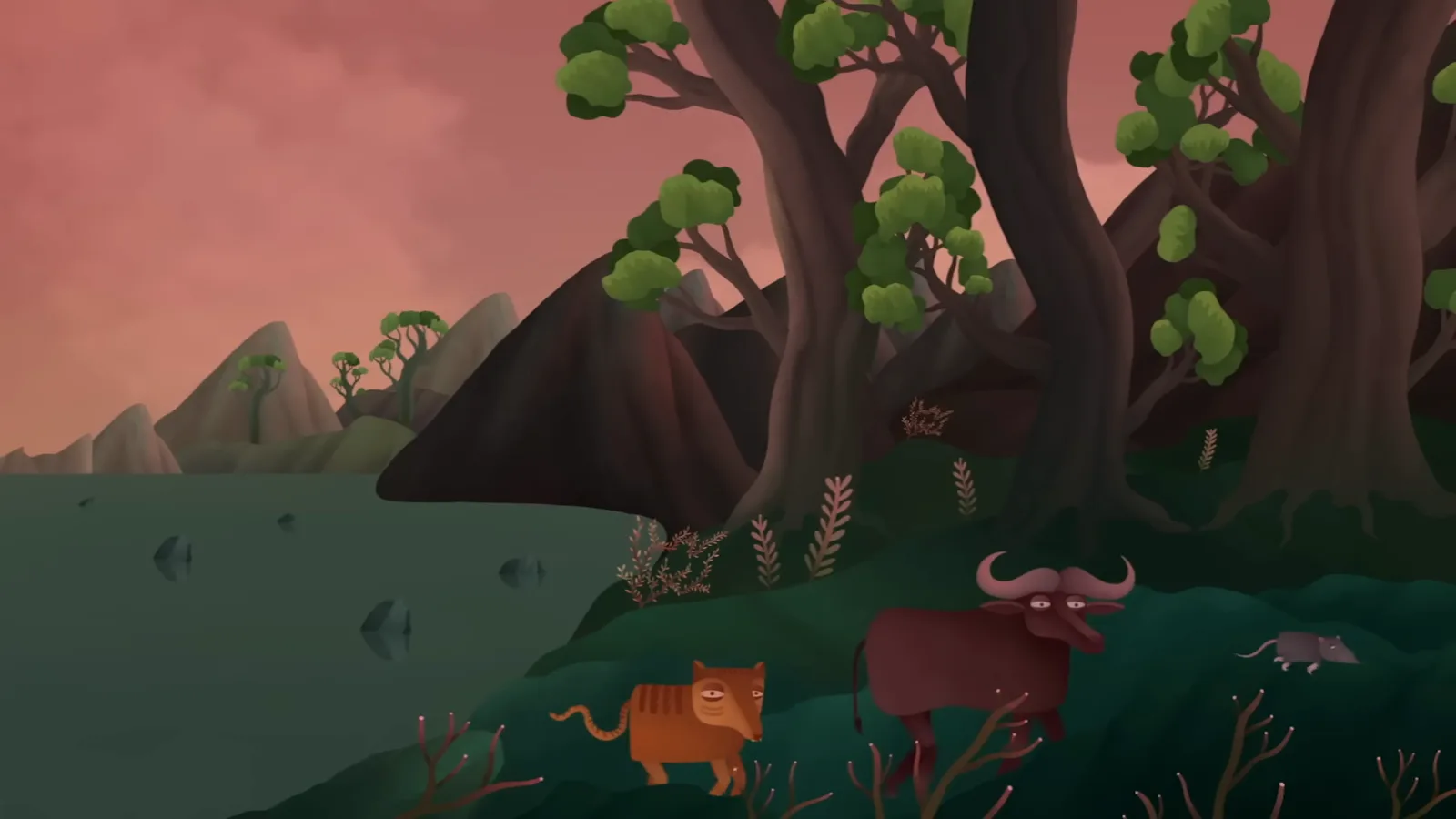
The tiger hauls himself ashore just behind the ox.Watch at 1:14 - 6
The rabbit hops across on stones and logs
The rabbit is too small to fight the current, so she never swims at all: she nimbly hops across stepping stones and floating logs to reach the fourth spot. Different skill, same result — the race rewards whatever works, and rabbit years are said to belong to people who find the clever, low-friction path.

The rabbit crosses by leaping between stones, barely touching the water.Watch at 1:18 - 7
The dragon could fly — but stops to help
The dragon could have crossed in seconds from the air. Instead she sees creatures stranded by the river and stops to help them, then still finishes fifth. When the Jade Emperor asks why she didn't win, the dragon explains simply that she couldn't leave them. Fifth place becomes an honour: the only year in the cycle awarded for compassion rather than speed.
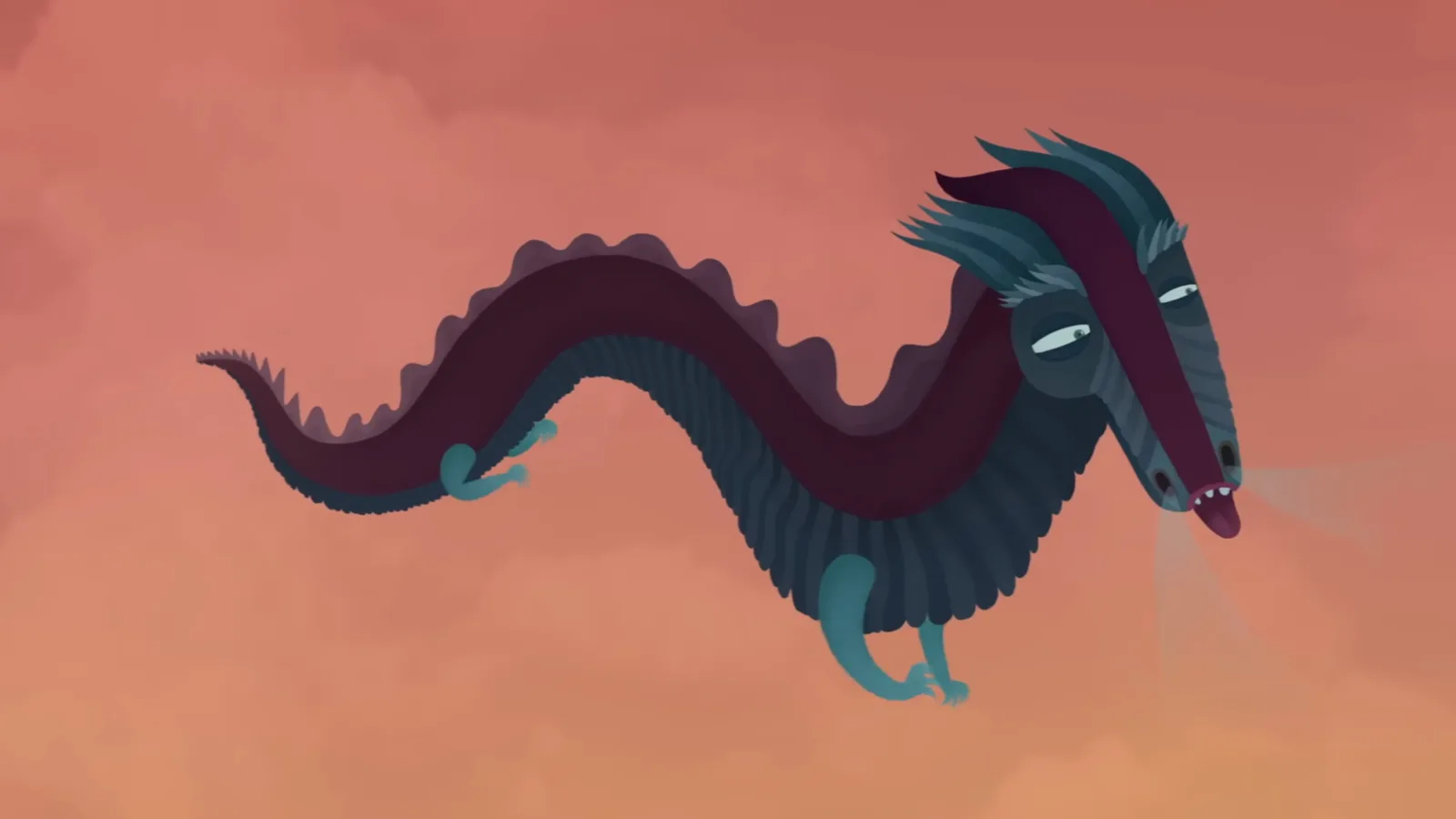
The dragon flies on after pausing to rescue animals along the way.Watch at 1:24 - 8
The horse gallops in — and the snake slithers past
Next comes the horse, galloping across the river. But the snake has been hiding near the horse's hoof, and as the horse climbs the bank the snake slithers out; the startled horse rears back, and the snake sneaks into sixth place. The horse settles for seventh — one of the story's small reminders that panic, not the river, is what beats her.
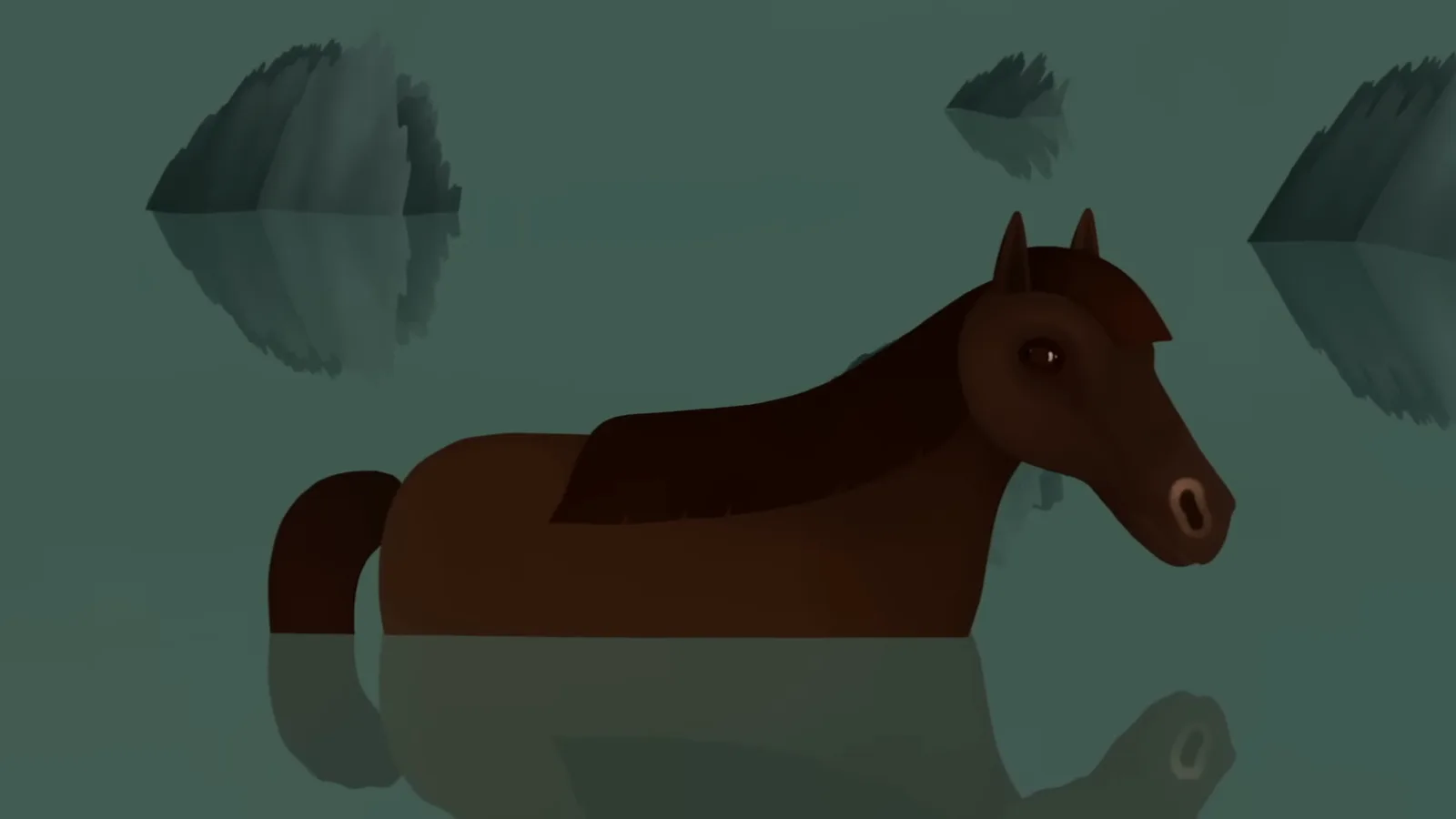
The horse reaches the bank, moments after the snake stole sixth place.Watch at 1:30 - 9
Goat, monkey and rooster cross as a team
Out on the water the Jade Emperor spots the sheep, the monkey and the rooster all aboard one raft, working together to push it through the weeds. When they land, the trio agrees to give eighth place to the goat, who had been the most comforting and harmonious of the three; the monkey takes ninth and the rooster tenth. It is the only cooperative finish in the whole race.
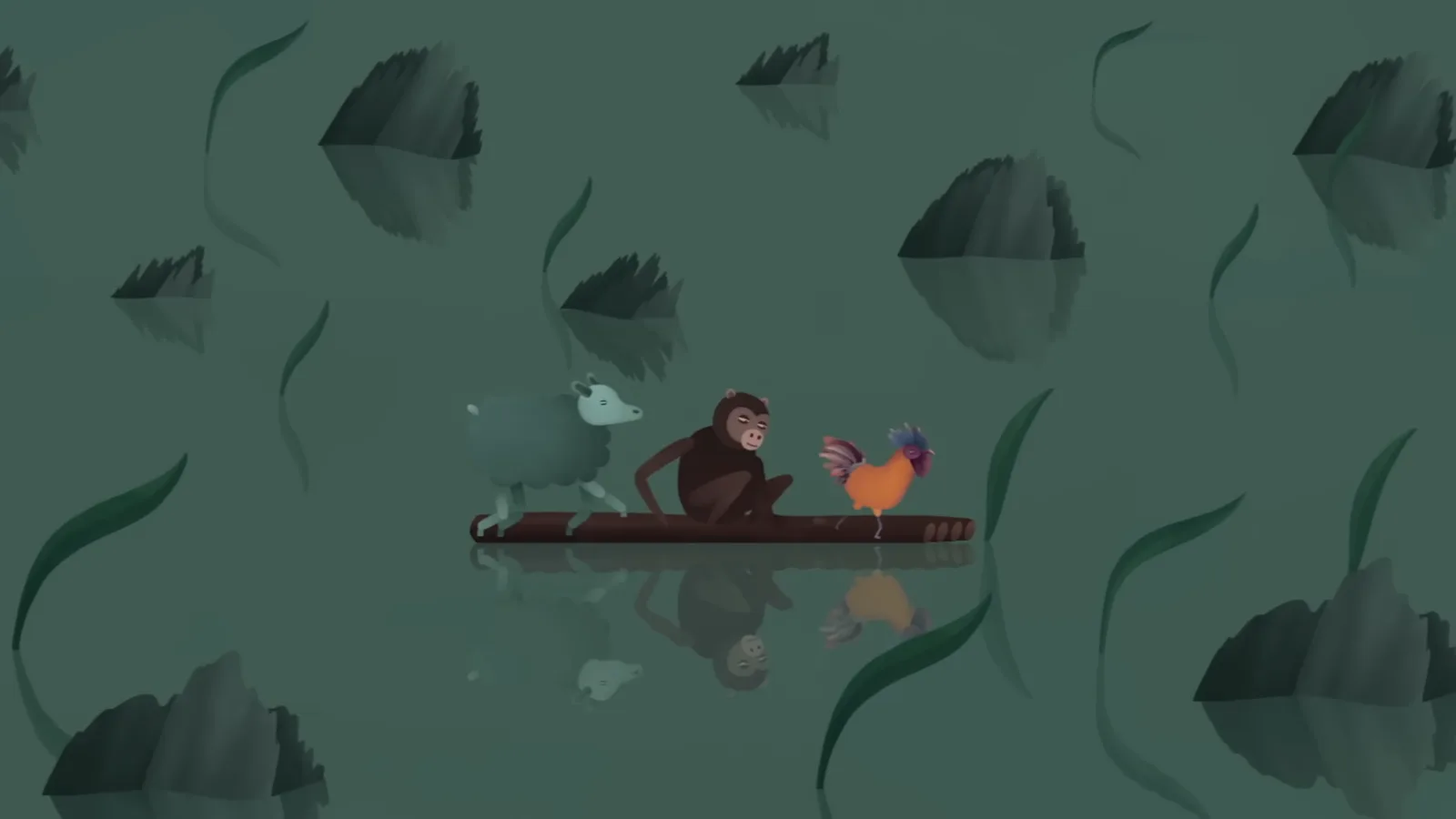
The goat, monkey and rooster share one raft — and share out the placings fairly.Watch at 1:44 - 10
The great swimmer who stopped to play
The dog is arguably the best swimmer in the field, so his eleventh place puzzles the Emperor until the dog admits he frolicked in the clean river water for too long. Talent that stops to enjoy itself: that is the character the dog year carries in the zodiac's reading of the race.
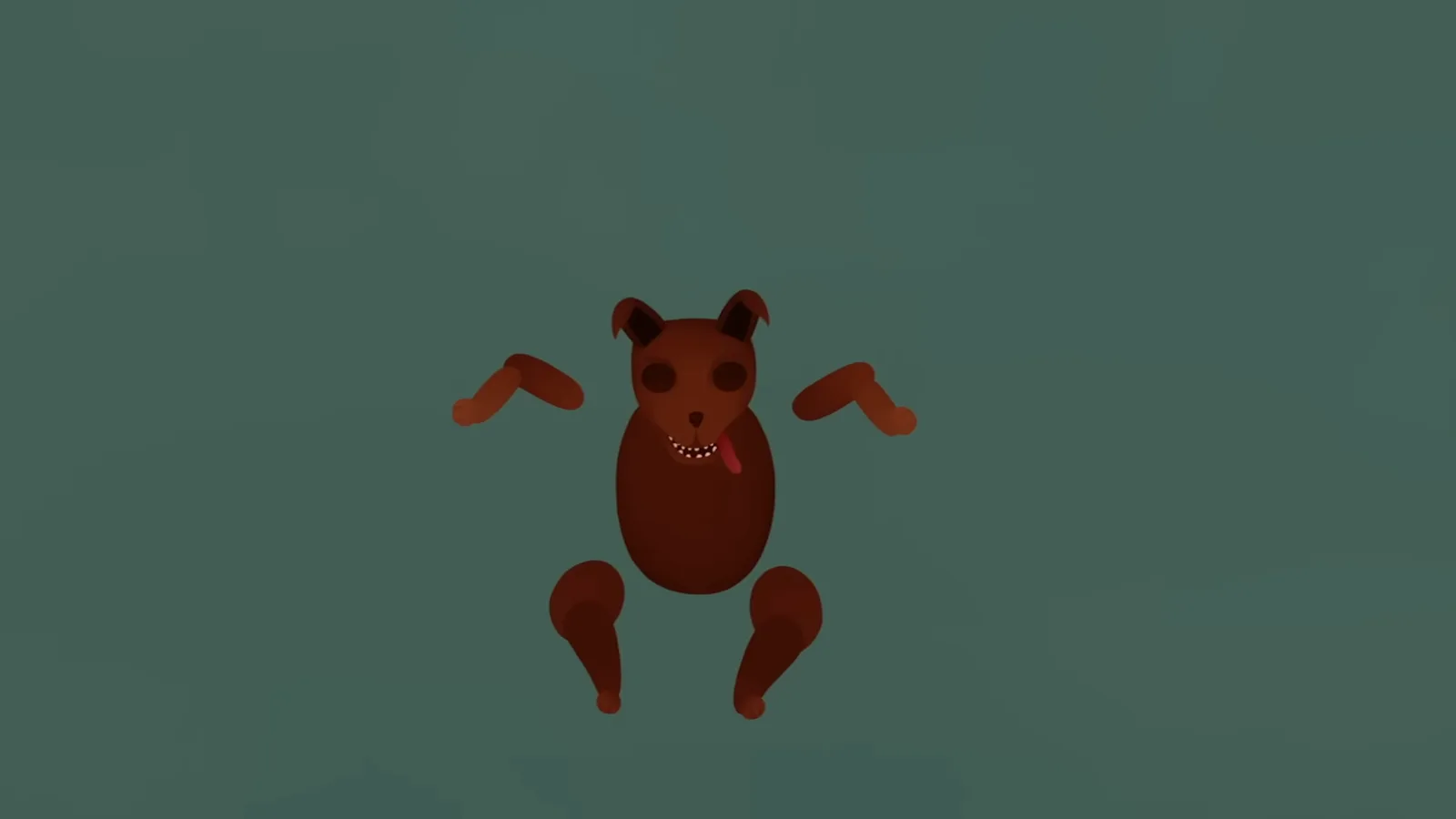
The dog paddles ashore late, still dripping from his games in the river.Watch at 2:02 - 11
The pig eats, naps and still finishes
One spot is left, and just as the Emperor is about to award it, the pig turns up. She had gotten hungry, stopped to eat, then fallen asleep, and only then waddled across the finish line. Twelfth and last — but finished nonetheless, which is its own kind of message about getting there eventually.
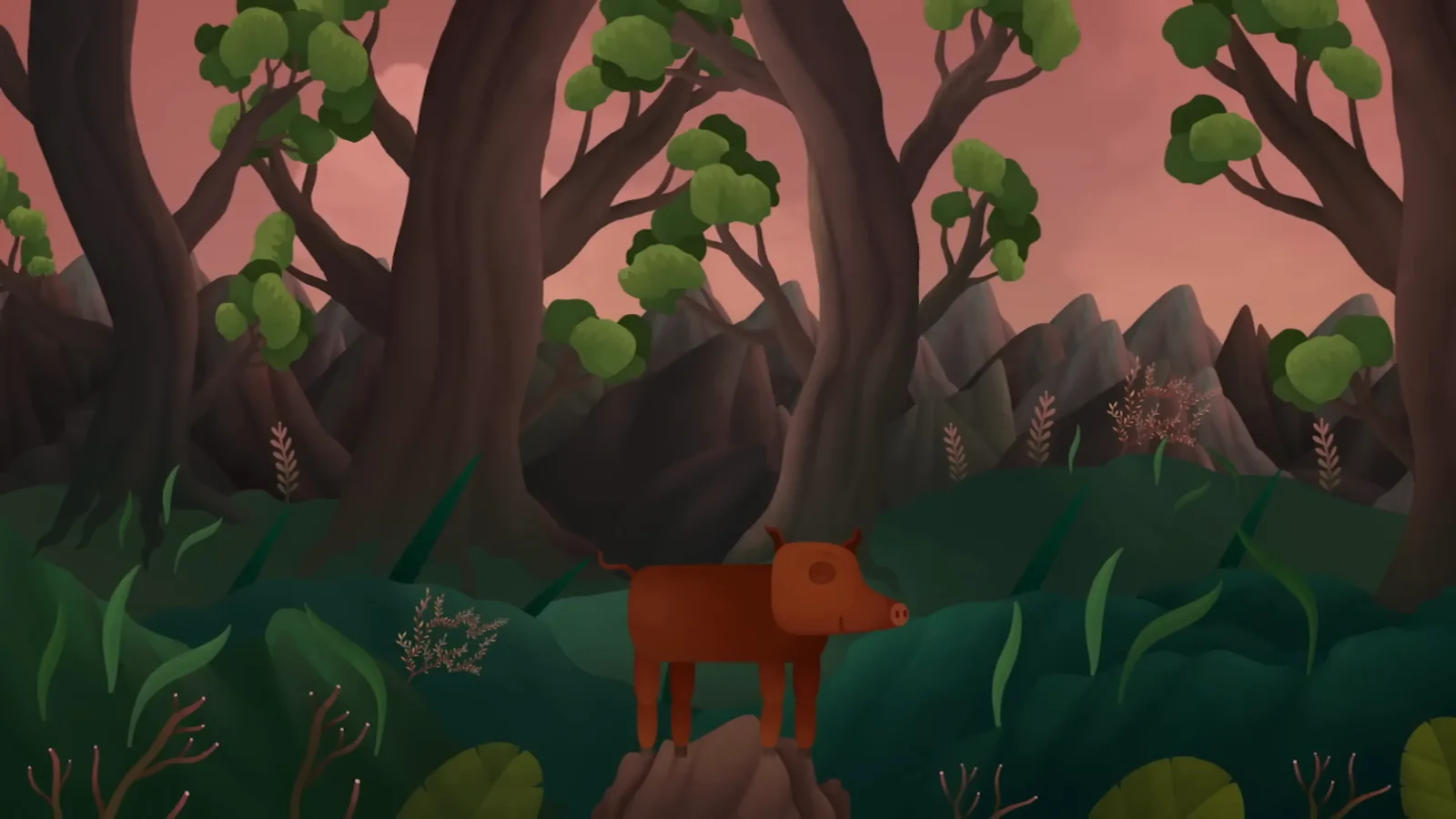
The well-fed pig ambles across the line to claim the final year.Watch at 2:08 - 12
Why the cycle is 60 years, not 12
Here is what the fairy tale leaves out: the zodiac is only one of two overlapping systems. The twelve animals correspond to the twelve Earthly Branches (地支), which are matched with the ten Heavenly Stems (天干); each stem is linked to one of the five classical elements — metal, wood, water, fire, earth — and each element carries a yin or yang polarity. Pairing the twelve branches with the ten stems produces sixty different year-names, the sexagenary cycle (干支), after which the whole sequence restarts.
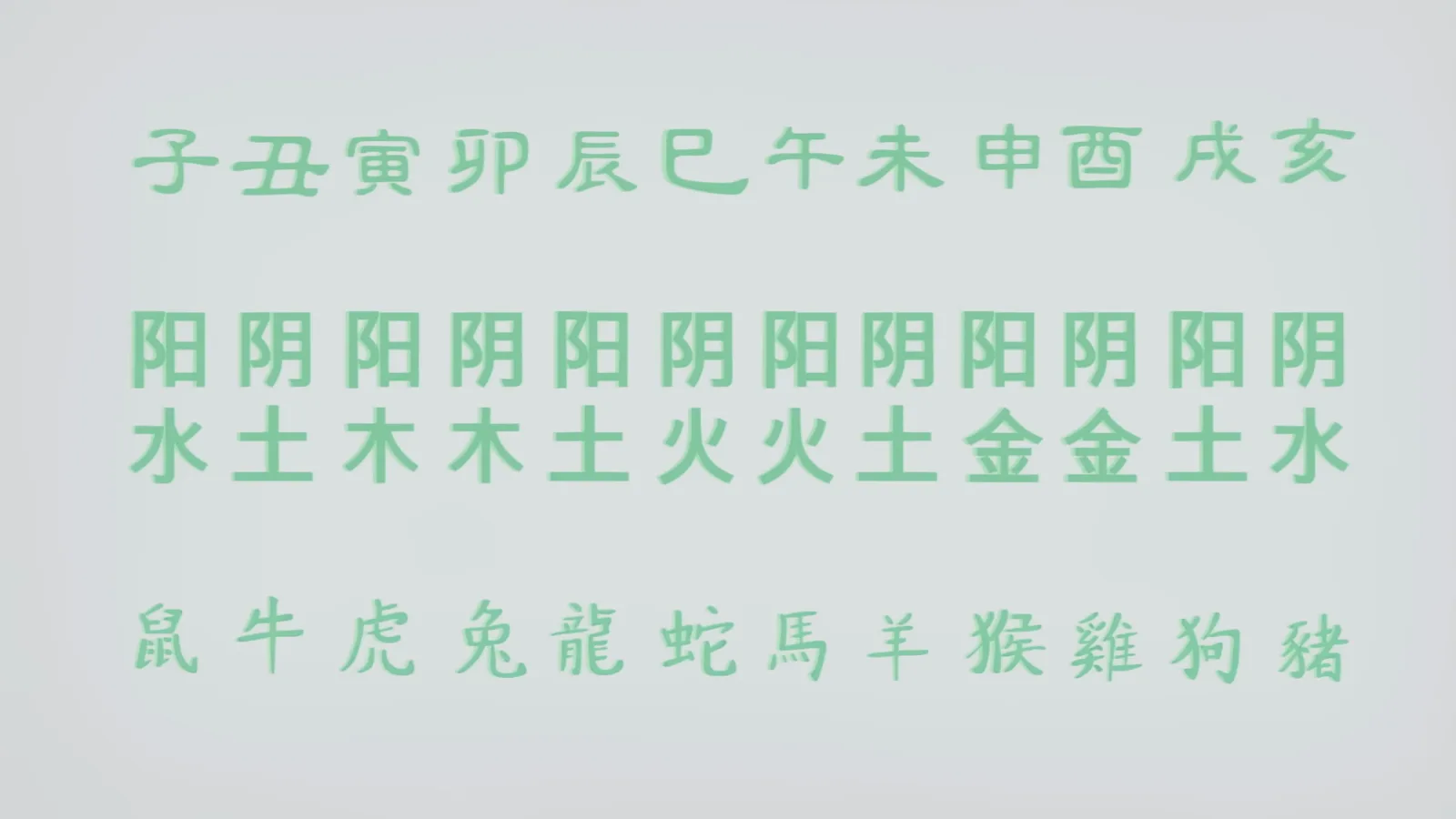
Twelve branches, ten stems, five elements: the machinery behind the 60-year cycle.Watch at 3:06 - 13
How to read any year: 1980 = yang metal monkey
Put the two systems together and every birth year gets a full label. Someone born in 1980 carries the sign of the yang metal monkey; someone born in 2007 is a fire pig. The animal gives the year its folk character, the element its colour, and the polarity its balance — which is exactly the combination a bazi-style name generator weighs when it suggests characters to complement your sign.
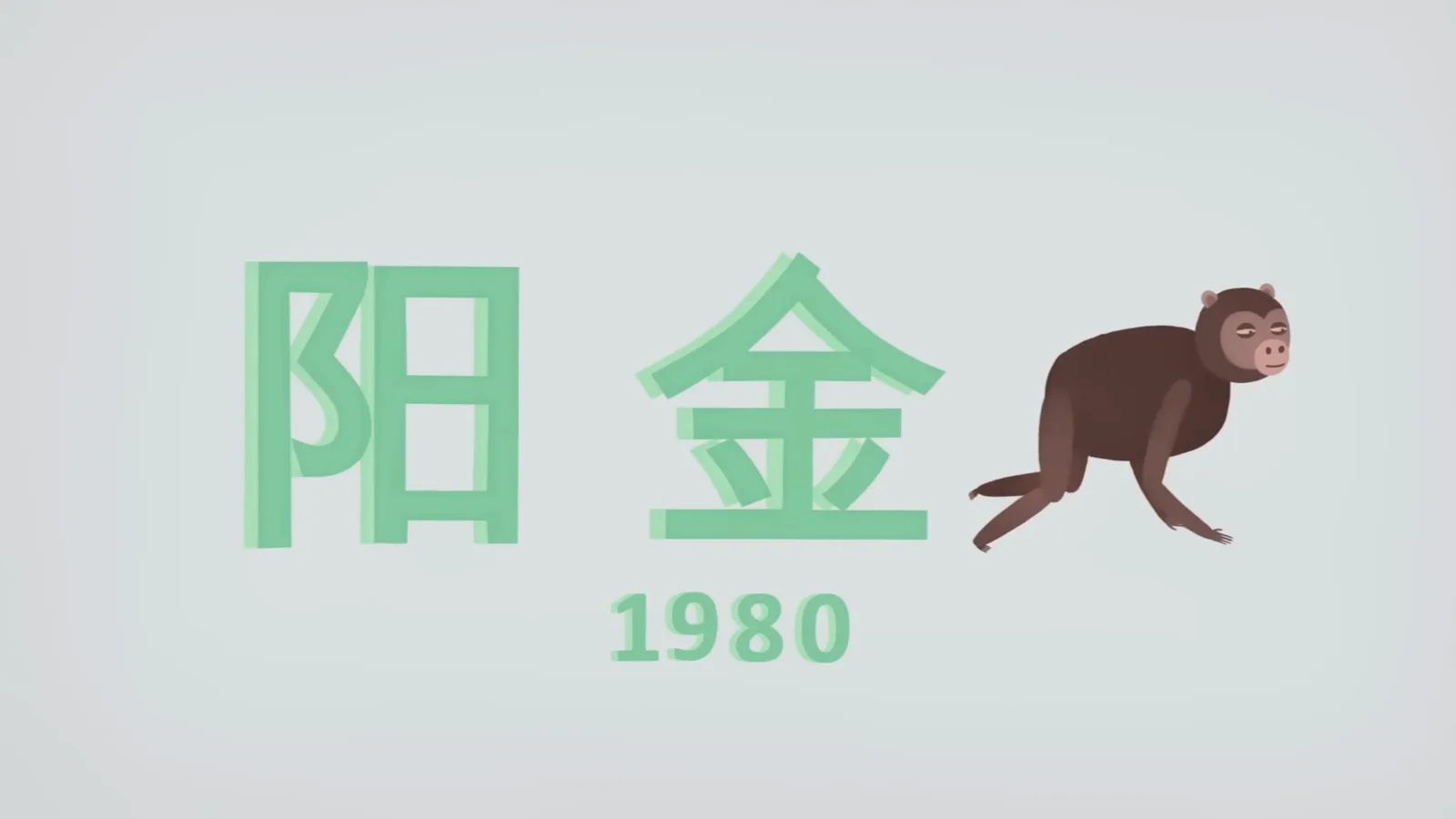
1980 resolves to yang metal monkey — animal, element and polarity in one year.Watch at 3:16 - 14
Your month, day and hour animals
The year animal is only the headline. Tradition also assigns an inner animal by your birth month, a true animal by your birth date, and a secret animal by your birth hour — a second layer said to describe your private self and the self you become behind closed doors. Two people born in the same year can therefore read quite differently once the month and hour animals are laid on top.
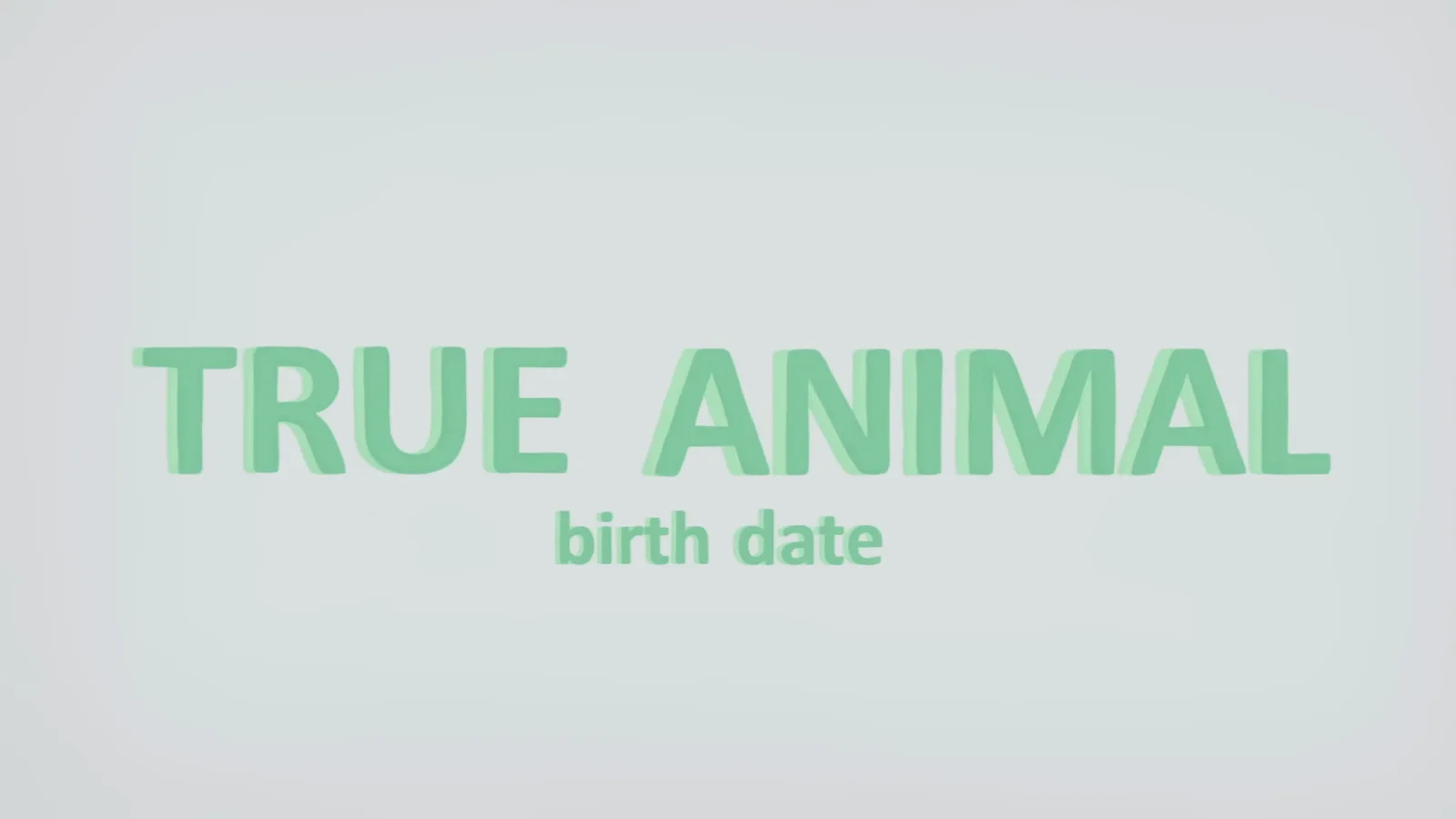
The true animal of the birth date, next to the inner animal of the birth month.Watch at 3:26 - 15
Cats and nagas: the zodiac across Asia
As the system spread from China, neighbouring cultures edited the line-up to fit their own world. In the Vietnamese zodiac the rabbit becomes a cat — so if you consult a Vietnamese chart you may discover you are a cat, not a rabbit — while in Thailand a mythical serpent called the naga takes the dragon's place. The order of the race survives everywhere; the cast changes with the audience.
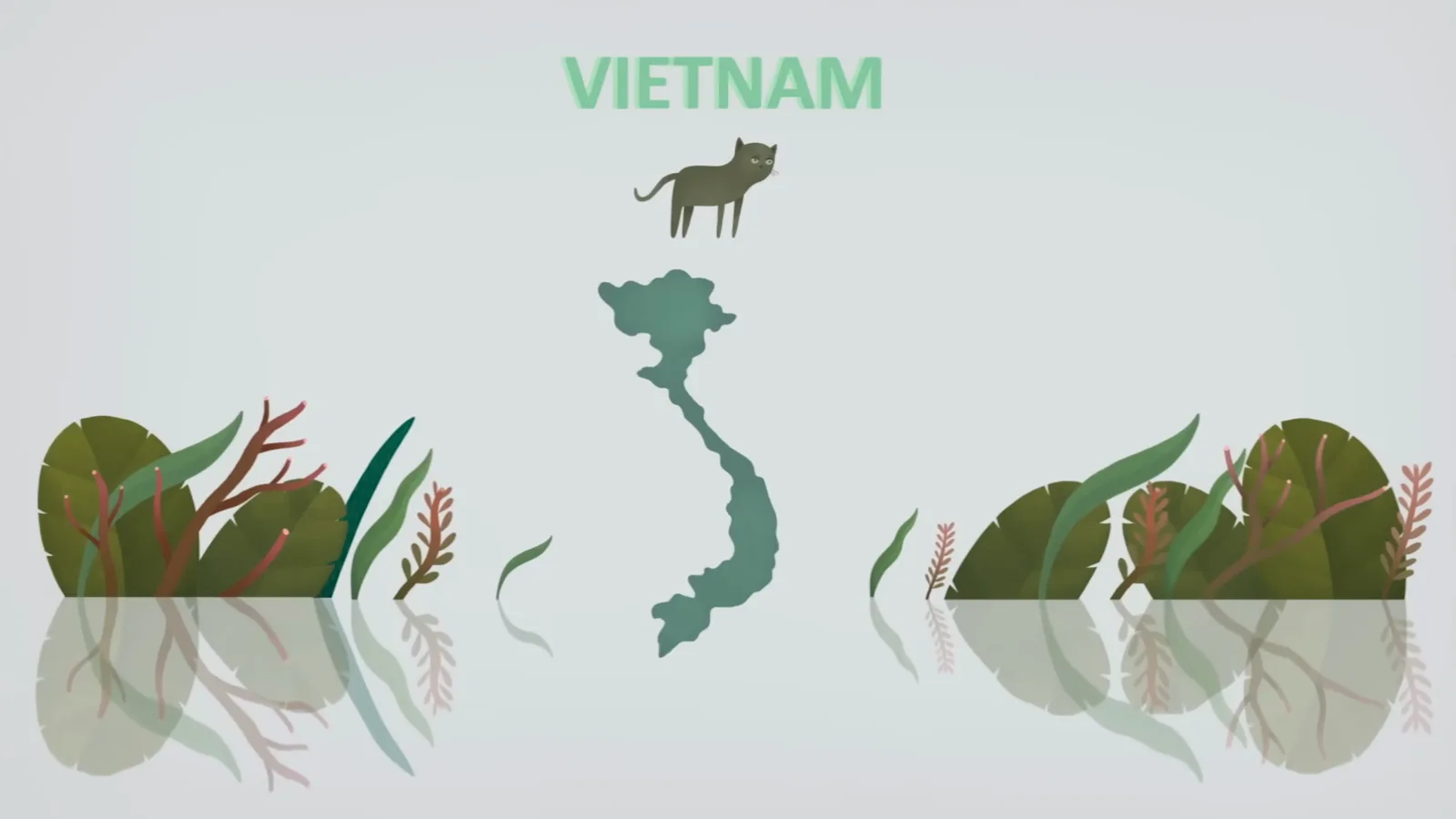
In Vietnam the cat replaces the rabbit — one of many local edits to the zodiac.Watch at 3:44
Frequently asked questions
- Why does the rat come first in the Chinese zodiac?
- In the Great Race myth the rat could not swim, so it rode across on the kind ox's head and leapt off at the last second to land first. The story is a fable about cleverness beating strength, and it fixes the rat as the opening animal of every 12-year cycle.
- What is the actual order of the 12 Chinese zodiac animals?
- Rat, ox, tiger, rabbit, dragon, snake, horse, goat (or sheep), monkey, rooster, dog, and pig. Each animal rules one year in that order; after the pig the cycle restarts with the rat.
- Why does the Chinese zodiac repeat every 60 years instead of 12?
- Each year pairs a zodiac animal with one of five elements in a yin or yang polarity, via the twelve Earthly Branches and ten Heavenly Stems. Twelve and ten only realign after sixty combinations — the sexagenary cycle — so a full set of year names takes 60 years to repeat.
- Can my Chinese zodiac animal be more than one animal?
- Yes. Tradition gives you a year animal, plus an inner animal by birth month, a true animal by birth day and a secret animal by birth hour. The year animal describes your public character; the others fill in your private and hidden selves.
- Is the Vietnamese zodiac different from the Chinese one?
- The order is the same, but the rabbit is replaced by a cat in Vietnam, and in Thailand the dragon is replaced by the naga, a mythical serpent. The animals were adapted locally as the system spread across Asia.
Keep going
© 2026 AIChineseName.